Why Leads Go Quiet After the Form - AI Follow Up Automation
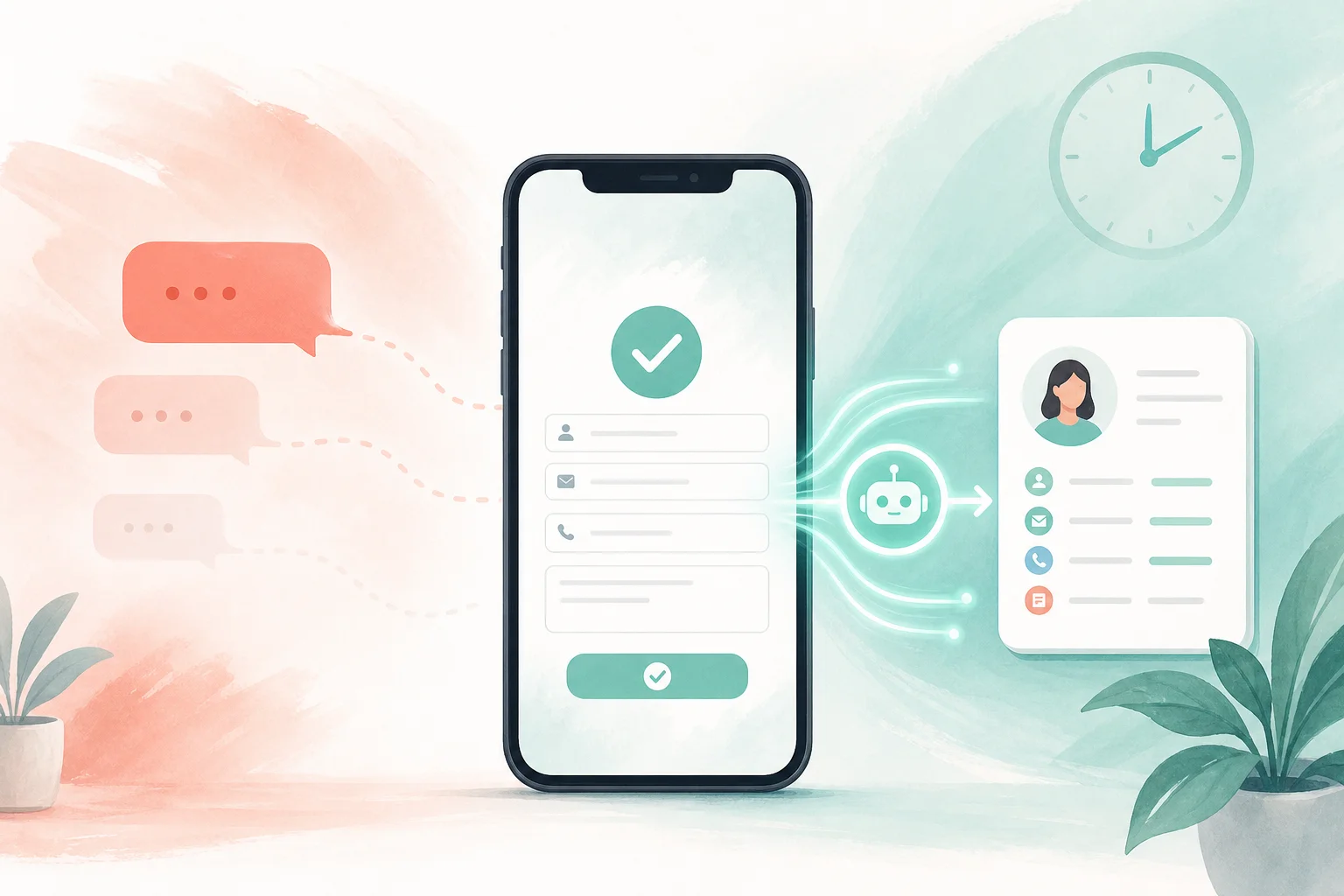

Table of Contents
- Introduction
- Why do leads go quiet right after they submit a Meta or Typeform form?
- What does slow human follow-up cost small businesses in real revenue?
- What is ai lead follow up automation and how is it different from auto-replies?
- How does lead follow up automation work with n8n, WhatsApp, and your CRM?
- What should your first AI message say so leads actually reply?
- How do you design crm follow up automation that hands off to humans at the right time?
- How should a small business start lead follow up automation without over-building?
- Frequently Asked Questions (FAQs)
Introduction
Your form is converting. Meta lead ads show a steady trickle of new contacts. Typeform pings your inbox with submissions. On paper, the top of your funnel looks healthy.
Then you look at actual conversations and closed deals. Many of those people never reply, never book, never buy. They go quiet after the form.
That gap is rarely a targeting problem alone. It is usually a follow-up problem: slow first touch, wrong channel, generic replies, and data stuck in inboxes instead of your CRM. Ai lead follow up automation fixes the mechanics so every submission gets a fast, relevant reply, a logged record, and a clear path to a human when it matters.
This guide explains why leads go cold, what manual follow-up costs small teams, and how to wire lead follow up automation from Meta and Typeform through n8n, WhatsApp, and crm follow up automation in tools like HubSpot, Pipedrive, or Airtable.
Why do leads go quiet right after they submit a Meta or Typeform form?
From the customer's side, filling a form is a small, impulsive step. It happens while they scroll Instagram, compare three vendors, or take a short break at work. Attention is fragile. Unless something useful happens quickly, you drop off their mental short list.
Several forces stack on top of each other.
How do slow response times and channel mismatch kill conversion?
Industry studies have repeated the same pattern for years: the faster you respond, the more likely you are to connect. Contacting a lead within the first five minutes can dramatically outperform waiting even thirty minutes. Yet most small businesses still reply in hours or days.
Life gets in the way. You see a Meta notification mid-job, mean to reply later, and the thread gets buried. Meanwhile the lead checks email, sees nothing, clicks another ad, or messages a competitor who answered first.
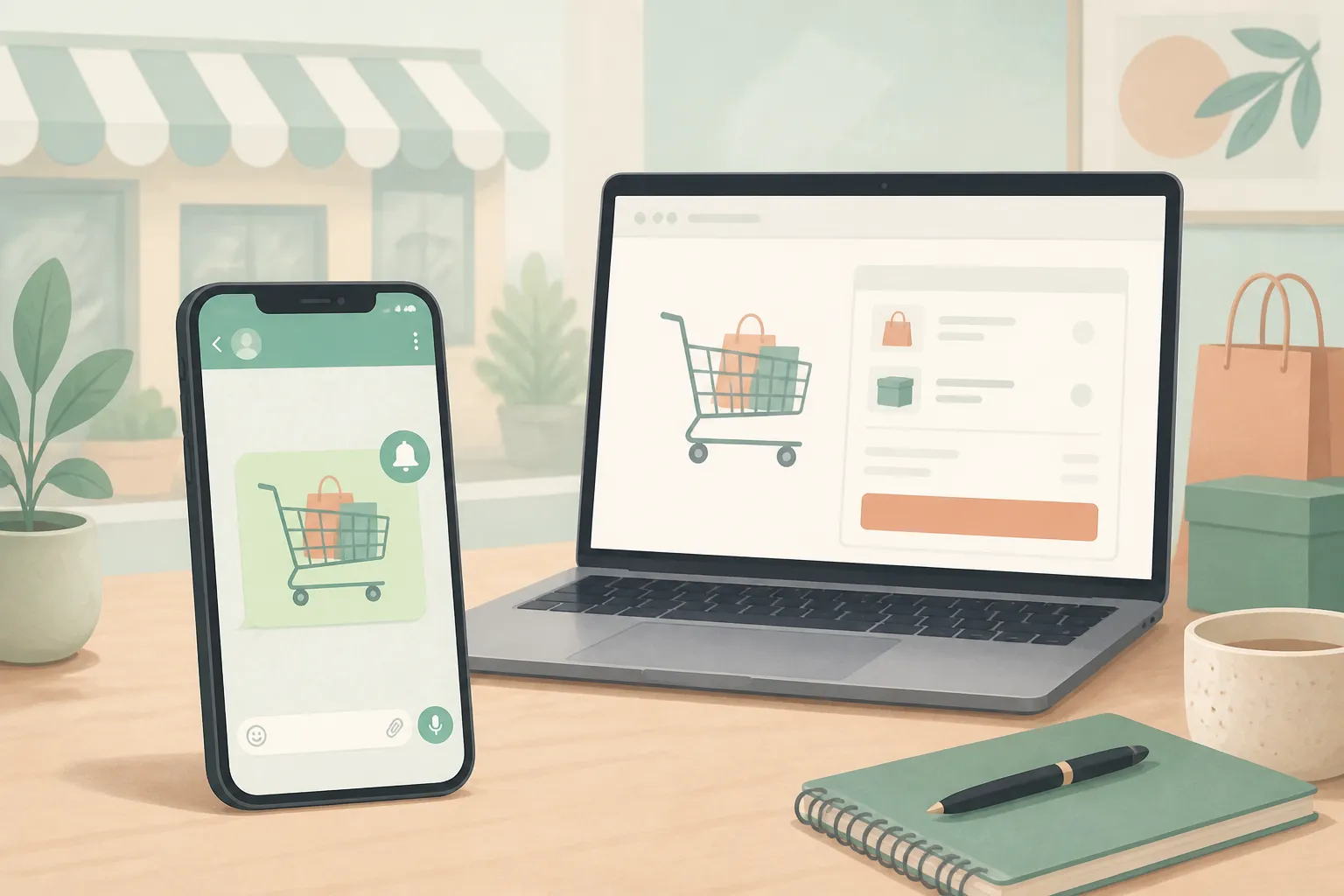
Channel mismatch makes it worse. Many Meta and Typeform leads are mobile-first. In large parts of the world, WhatsApp is how people talk to businesses. If your only response is a plain email, it may land in Promotions, force a context switch from social to inbox, and compete with newsletters and spam. The lead expected a message back in the app they were already using. Silence reads as "nobody responded."
Why do generic first replies and fragmented tools make follow-up worse?
"Thanks, we'll get back to you" confirms receipt but does not move the sale forward. It does not answer their question, suggest a next step, or set timing expectations. Contrast that with an instant reply that names their interest and offers two or three booking slots. The second experience keeps the thread alive.
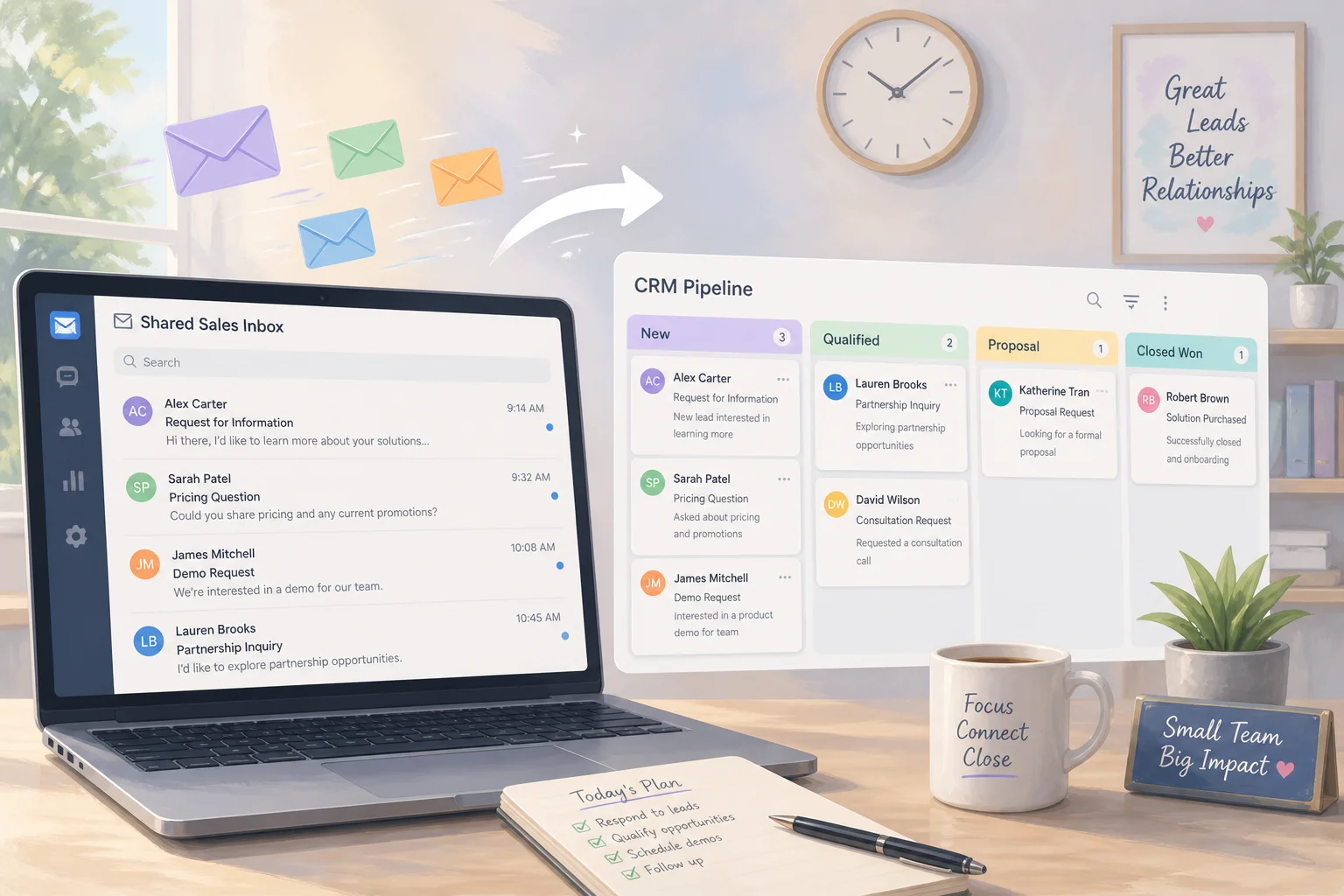
Behind the scenes, leads often land in separate places: Meta Lead Center or email, Typeform in another inbox or sheet, WhatsApp on one phone, CRM updated only when someone has time. There is no single queue, no default owner, and no reliable second or third touch. Short forms keep conversion high but push qualification into follow-up. If that follow-up is manual and vague, people stop replying.
What does slow human follow-up cost small businesses in real revenue?
Picture a clinic, agency, or home services team running Meta lead ads to a native form or Typeform survey. A submission triggers an email. The email sits in a busy inbox. Someone copies details into a spreadsheet or CRM, sends an email or tries a call, and maybe sets a reminder to try again.
That model bakes in latency, uneven effort, and weak visibility. Email batches; nobody watches a dashboard around the clock. The person handling leads is also doing support and delivery work. Some leads get three touches, some get one, some get none. Not every lead is logged, so you cannot see stage counts or where people drop off.
Scaling by hiring more people to chase forms is expensive. Scaling by accepting more leakage is cheaper until it is not. Lead follow up automation is how teams keep speed and consistency without adding a full inside sales desk on day one.
What is ai lead follow up automation and how is it different from auto-replies?
Automation can mean anything from a static autoresponder to an AI assistant that qualifies and books meetings. For small businesses, effective ai lead follow up automation usually combines four pieces:
- Triggers that detect new leads from Meta, Typeform, website forms, or email.
- Orchestration (n8n, Zapier, Make) that routes data, calls AI models, and enforces rules.
- Channels like WhatsApp, SMS, and email that send and receive messages.
- A CRM that stores history, stages deals, and runs crm follow up automation (tasks, sequences, reminders).
The AI layer sits in the middle. Modern LLMs can draft personalized first messages from form answers, interpret free-text replies, extract budget or timeline, ask qualifying questions, and summarize threads for your team. The loop becomes form, workflow, instant reply, ongoing conversation, CRM update, with humans stepping in on rules you define, not on whoever checked email first.
Simple autoresponders only acknowledge. AI-assisted workflows continue the conversation with context.
How does lead follow up automation work with n8n, WhatsApp, and your CRM?
A practical end-to-end flow for Meta and Typeform leads looks like this.
How do Meta lead ads connect to an automated first reply in under a minute?
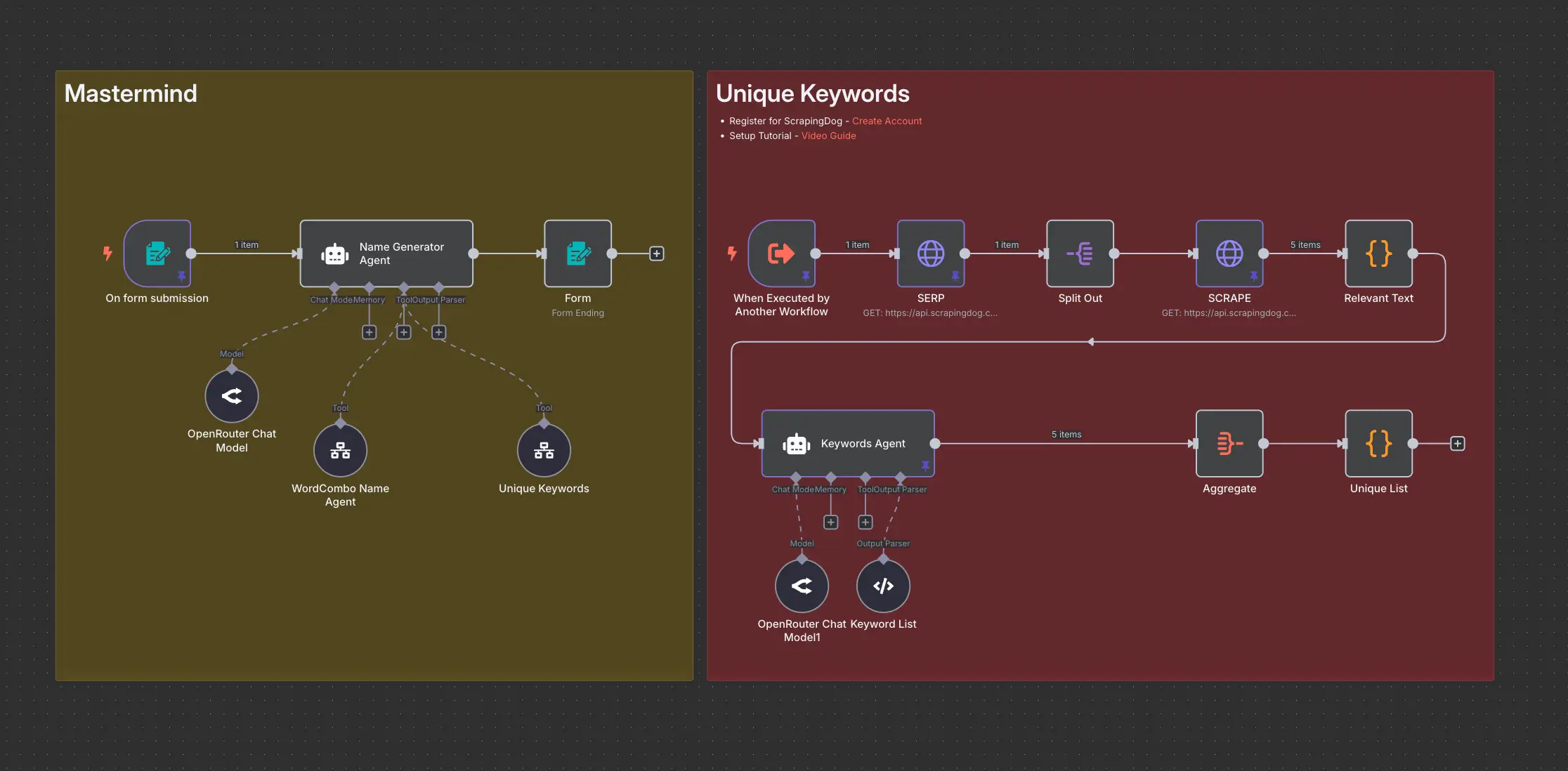
Meta supports webhooks that fire when a lead form is submitted. In n8n, a Webhook node becomes your universal "new lead" trigger. Detection time drops from "when someone opens email" to seconds.
The workflow then calls your CRM API (HubSpot, Pipedrive, Zoho, Airtable, or similar): create or update a contact, open a deal, store campaign and form fields. Optional enrichment can append company or profile data, but logging every lead in one place is already a major win.
Next, n8n builds a prompt for your AI model: lead name, stated interest, brand tone, and goal (for example, offer three appointment slots this week). The model drafts a short WhatsApp message. n8n sends it through your WhatsApp Business API provider. The lead gets a useful reply on the phone while they still remember the ad.
When they answer, the workflow can parse intent, update CRM fields, book a slot via calendar API, and notify staff with the full thread attached.
How does Typeform trigger crm follow up automation without manual copy-paste?
Typeform webhooks work the same way. Each submission hits n8n with all answers. No one copies rows into a sheet at end of day.
You can branch on answers: route high-budget leads to priority queue, send nurture content to early-stage inquiries, or tag service type for the right rep. Crm follow up automation then creates tasks, moves pipeline stages, and starts timed follow-ups (day 1 WhatsApp, day 3 email) without relying on memory.
What should your first AI message say so leads actually reply?
The first message should feel like a continuation of the form, not a receipt. Include their name, reference what they asked for, answer one obvious question if you can, and offer a concrete next step (pick a slot, choose morning or afternoon, reply YES for a call).
Keep WhatsApp messages short. State who you are ("assistant from [Brand]" is fine). Make escalation easy ("reply human" or "call me"). Respect consent and platform rules for template messages where required.
Constrain the model with a small knowledge base: services, pricing bands, FAQs, and hard rules ("never confirm availability without checking the calendar API"). Review a sample of conversations weekly until tone and accuracy stabilize.
Example system instruction you can adapt:
You are the first-response assistant for [Brand].

Inputs: lead name, form answers, campaign name.
Goal: send one WhatsApp message under 400 characters that (1) thanks them, (2) references their stated need, (3) offers two booking options or asks one qualifying question, (4) invites them to reply HUMAN for a person.

Tone: warm, plain language, no hype.
Do not invent prices or medical claims. If unsure, ask one clarifying question.
How do you design crm follow up automation that hands off to humans at the right time?
Full autonomy is rarely the goal. The best setups automate repetition and preserve judgment for high-value moments.
Set clear handoff rules: budget above a threshold, timeline within thirty days, keywords like "enterprise" or "urgent," or low model confidence on classification. When triggered, create a CRM task, Slack or email alert, and pass the chat transcript so the rep does not restart from zero.
Use n8n to enforce guardrails: cap messages per lead, honor opt-outs, block disallowed topics, and route sensitive threads to review before send. Humans stay in a shared WhatsApp inbox or CRM chat view so they can jump into the same thread.
Measure what changes: time to first touch, reply rate, qualified meetings booked, and stage conversion. Automation should increase contact rate and data quality, not just message volume.
How should a small business start lead follow up automation without over-building?
Start with one outcome: every Meta and Typeform lead gets an AI-assisted WhatsApp or email within one minute, is logged in the CRM, and creates a task for a human follow-up.
Steps:
- Map current sources and where data lands today.
- Pick orchestration (n8n if you want flexibility and self-hosting; managed tools if you prefer less ops).
- Connect webhooks from Meta and Typeform, CRM API, and messaging provider.
- Ship one prompt for one lead type; test on real submissions.
- Add qualification questions and handoff rules once the first path is stable.
You do not need a complex branching chatbot on day one. Speed, logging, and a helpful first reply deliver most of the lift. AI will not fix a weak offer or broken delivery, but it removes the silent gap between "Submit" and "Someone actually talked to me."
Leads go quiet after the form because you are not in the conversation quickly enough, on the channel they prefer, with enough relevance. Ai lead follow up automation with n8n orchestrating Meta, Typeform, WhatsApp, and your CRM rebuilds that moment so every lead gets attention while they still care, and your team only handles the conversations that deserve a human.
Frequently asked questions
Quick answers on the topics covered in this article.
They often expect a fast reply on the channel they use (especially WhatsApp after Meta ads). Slow email-only responses, generic autoresponders, and no second touch make them continue shopping elsewhere.
It combines instant triggers (webhooks), orchestration tools like n8n, AI-drafted messages, messaging channels, and CRM logging so new leads get personalized follow-up in seconds without manual copy-paste.
Autoresponders only confirm receipt. Lead follow up automation can personalize content from form answers, hold a short qualification chat, update CRM fields, book meetings, and escalate to humans based on rules.
Yes. Meta can send lead data to a webhook. A workflow tool routes it to your CRM and WhatsApp Business API so the first message goes out in under a minute while the lead is still engaged.
Typeform webhooks push each submission to your orchestration layer, which creates or updates CRM records and starts the same instant reply and task sequence you use for Meta leads.
No, but n8n is a strong option for small teams that want flexible routing, self-hosting, and direct API control between Meta, Typeform, WhatsApp providers, and CRMs.
It should not if messages are short, transparent, consent-aware, and easy to opt out of. Offer a clear path to a human and cap how many automated touches you send.
Most modern CRMs with APIs (HubSpot, Pipedrive, Zoho, Salesforce, Airtable) work well. The workflow creates contacts, deals, tasks, and activity notes from each conversation.
Hand off on high-value signals (budget, urgency), sensitive topics, low AI confidence, or when the lead asks for a person. Pass the full chat history into the CRM so reps do not repeat questions.
Instant first reply plus CRM logging plus a human task for every Meta and Typeform lead. Add qualification and multi-step sequences after that baseline is reliable.
Share this article
Related workflows
Daily Validated Business Ideas using n8n and Upwork
Deep Research using n8n automation to generate report using Tavily