What Is Claude Dispatch and How Does It Compare to OpenClaw?
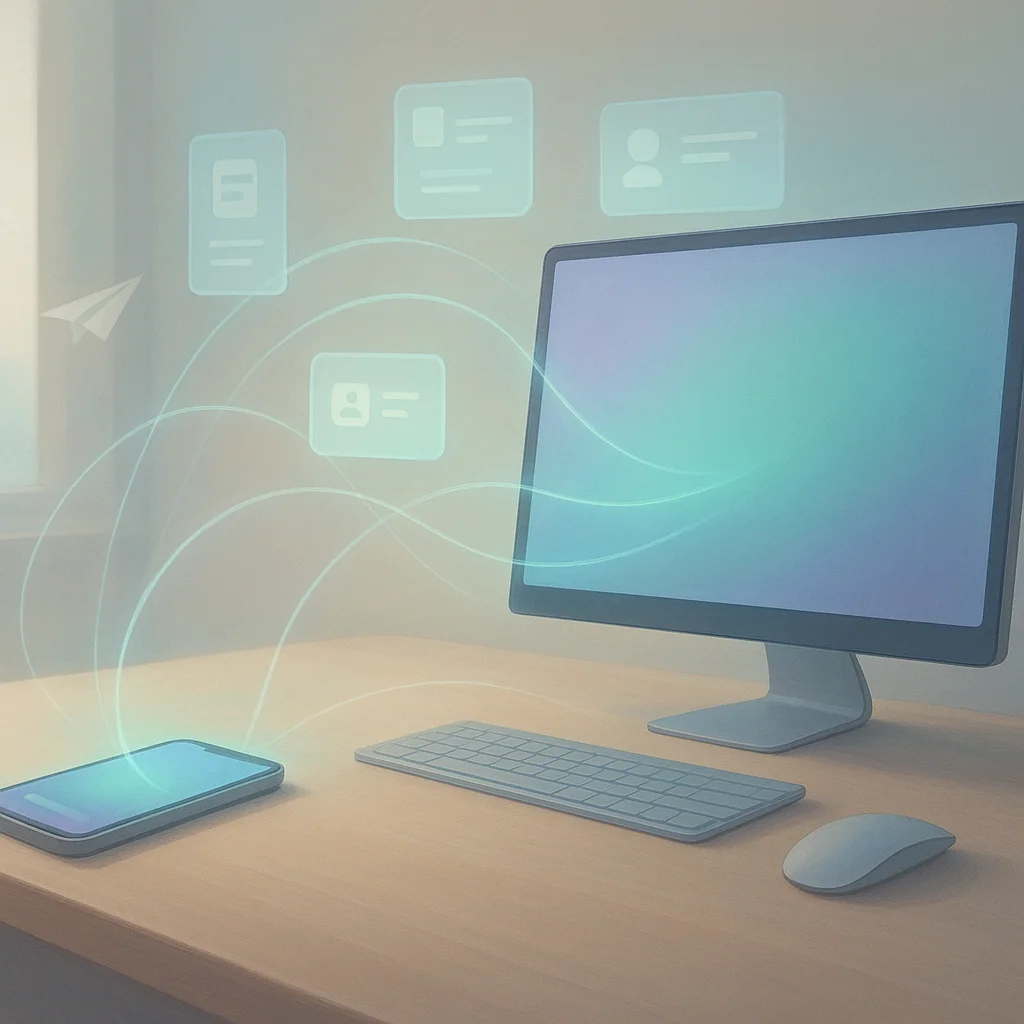

Table of Contents
- Introduction
- What Is Claude Dispatch in the Claude Cowork Story?
- How Does Claude Dispatch Route Tasks From Phone to Desktop?
- What Can You Realistically Delegate While Mobile?
- What Subscriptions, Apps, and Setup Does Claude Dispatch Require?
- What Is OpenClaw and Why Do People Compare It to Dispatch-Style Agents?
- Claude Dispatch vs OpenClaw: Side-by-Side
- What Should Security and Governance Teams Consider?
- Frequently Asked Questions (FAQs)
Introduction
If you follow AI agents, you have probably seen two ideas collide. One is a polished, vendor-shaped story: you stay on your phone, you assign work, and a desktop agent finishes it inside your real files and tools. The other is a hacker-friendly story: you self-host a gateway, plug in your favorite models, and talk to your agent from chat apps you already use. Anthropic’s Claude Dispatch belongs to the first camp. OpenClaw (formerly discussed widely under earlier names such as Clawdbot) belongs to the second.
This article explains Claude Dispatch in depth: what it is, how the phone-to-desktop loop works, and what you should expect from subscriptions and setup. Then it adds a focused comparison with OpenClaw so you can see where the two approaches overlap and where they diverge on control, integrations, and operational burden. The goal is not to crown a winner, but to give builders and operators a clear mental model before they invest time in either stack.
If you are evaluating this for a team, read with two lenses. First, user experience: does the workflow feel natural on mobile, and does desktop execution return auditable outputs? Second, operating model: who patches software, who rotates credentials, and who gets paged when an agent does something expensive or sensitive? Dispatch and OpenClaw answer those questions differently, and the comparison section later makes that explicit.
What Is Claude Dispatch in the Claude Cowork Story?
Claude Dispatch is a capability aimed at people who already think of Claude as more than a browser tab. It sits alongside Claude Cowork, Anthropic’s push toward agents that can work with local context on a machine you control: files on disk, desktop tooling, and workflows that are awkward to reproduce on a phone. Dispatch adds a specific superpower: you can steer and assign that desktop-side work from Claude’s mobile app, without pretending the phone is going to crunch large jobs or hold your whole workspace.
In plain language, Dispatch turns your phone into a remote control and inbox for a heavier runtime that lives on your computer. You are not trying to run a full coding session on a small screen. You are kicking off tasks, checking status, and continuing a thread that stays coherent across devices. That is different from classic mobile assistants that try to do everything on-device or entirely in the cloud with no anchor to your desktop environment.
Industry commentary has framed Dispatch as part of Anthropic’s bet that Claude becomes an operating layer for work rather than a disposable chat window. Whether or not you buy that narrative, the product shape is clear: mobile for intent and continuity, desktop for execution and access.
How Does Claude Dispatch Route Tasks From Phone to Desktop?
The mental model is one persistent conversation that syncs between mobile and desktop, with execution biased toward the machine where your tools and files actually live.
The mental model is one persistent conversation that syncs between mobile and desktop, with execution biased toward the machine where your tools and files actually live. When you send an instruction from your phone, the heavy lifting is intended to happen where Claude Desktop (and the Cowork-style capabilities tied to that environment) can reach spreadsheets, local folders, browsers, and connected work systems, subject to what Anthropic enables and what you have configured.
That split matters for reliability and privacy storytelling. A phone-first agent that uploads everything to a black box in the cloud is easy to demo and hard to trust for sensitive work. A desktop-anchored loop can keep more of the sensitive read and write paths on a machine you manage, while still letting you monitor and steer from mobile. The tradeoff is operational: both devices need to be online and signed into the right apps for the handoff to feel seamless.
Dispatch also fits a common pattern in agent products: subtasks and parallel workstreams show up in marketing as multitasking across workflows. In practice, success still depends on clear prompts, tool availability, and human checkpoints when outputs touch money, customers, or compliance-sensitive data. Dispatch does not remove the need for judgment; it changes where you apply it.
What Can You Realistically Delegate While Mobile?
Think in terms of short assignments with a clean definition of done, not open-ended “fix my quarter” requests. Examples that match how these products are usually demonstrated include:
- Pulling numbers from a spreadsheet and summarizing them in a format you can paste into email or Slack.
- Drafting or reorganizing slides or documents that already live in reachable locations on the desktop side.
- Searching across connected workspaces (where integrations exist) for context you need on the go.
- Turning a rough voice-style note on mobile into a structured update your desktop agent can expand into a full memo.
What tends to fail is ambiguous work that needs constant back-and-forth with live systems you cannot safely expose, or tasks that need deep debugging without a keyboard. Dispatch is best understood as command-and-review, not a guarantee that every multi-step automation will complete unattended.
What Subscriptions, Apps, and Setup Does Claude Dispatch Require?
Public reporting and Anthropic-facing summaries describe Dispatch as rolling out to Claude Pro and Max subscribers, with availability staged over time (for example, Max users earlier in some waves).
Public reporting and Anthropic-facing summaries describe Dispatch as rolling out to Claude Pro and Max subscribers, with availability staged over time (for example, Max users earlier in some waves). You should expect to run the latest Claude Desktop on the machine that will execute work, and the Claude mobile app on your phone, with connectivity on both sides.
Setup is marketed as lightweight compared with self-hosted stacks: no API keys or environment files for the basic Dispatch path, because you are staying inside Anthropic’s subscription surface rather than wiring your own inference endpoints. That is a meaningful contrast with OpenClaw-style setups where you often manage models, gateways, and channel credentials yourself.
Whenever a vendor bundles execution in a subscription, the tradeoff is predictable billing versus flexibility. Flat plans can remove surprise token bills for individuals, but enterprises still need usage oversight, access reviews, and exit plans if workflows become dependent on a single vendor path.
What Is OpenClaw and Why Do People Compare It to Dispatch-Style Agents?
OpenClaw is an open-source agent platform associated with a self-hosted gateway process and broad messaging integrations (for example chat apps and team channels, depending on configuration and community plugins).
OpenClaw is an open-source agent platform associated with a self-hosted gateway process and broad messaging integrations (for example chat apps and team channels, depending on configuration and community plugins). People connect models such as Claude or others, expose tools like shell access, browser automation, and file operations, and let the agent iterate across multiple steps to finish tasks. Memory and context are often stored locally (for example as Markdown on disk in common setups), which supports privacy-first deployments and repeatable automation on hardware you control.
Because the gateway sits on infrastructure you choose, OpenClaw-style setups tend to attract builders who want repeatable runbooks: the same agent behavior after reboots, backups of memory files, and version control over skills. That is closer to traditional software operations than to a single polished app install. The upside is flexibility; the downside is that “it works on my machine” can become a real risk if nobody owns documentation and upgrades.
The comparison to Dispatch is not accidental. Both products orbit the same user story: an always-on assistant that can act, not only answer. OpenClaw leans into composability and bring-your-own-model. Dispatch leans into integrated Claude Desktop plus mobile under a single vendor subscription.
There is also history worth knowing for readers who followed the news: an earlier name in the OpenClaw lineage drew trademark attention from Anthropic, which contributed to a rename and a lot of public discussion about how indie projects and large AI brands collide. That episode does not change the technical comparison, but it explains why some articles put Claude and OpenClaw in the same sentence by default.
Claude Dispatch vs OpenClaw: Side-by-Side
The table below is a practical lens for teams, not a feature matrix blessed by either vendor. Capabilities change quickly; validate on official docs before you standardize.
| Dimension | Claude Dispatch (Anthropic) | OpenClaw (open-source ecosystem) |
|---|---|---|
| Primary control surface | Claude mobile app steering Claude Desktop / Cowork-style execution | Chat channels and local gateway you configure |
| Hosting | Vendor-managed subscription path | Typically self-hosted gateway on your machine or VPS |
| Model choice | Claude within Anthropic’s product rules | Often multi-vendor or local models, depending on setup |
| Integration style | Deep inside Claude’s desktop story | Community skills, scripts, and connectors; you assemble |
| Operational burden | Lower for individuals; fewer moving parts | Higher; you own upgrades, secrets, and uptime |
| Procurement story | Enterprise buyers can route through Anthropic | Security reviews focus on your deployment and supply chain |
Where they feel similar is the user fantasy: send a message, let an agent use tools, and come back to a result. Where they differ is who owns the glue. Dispatch optimizes the glue inside a paid Claude surface. OpenClaw expects you to own the glue and often rewards you with flexibility.
If you are sketching a hybrid automation stack, treat Dispatch as the productized lane for individuals and teams that want Anthropic to own compatibility testing, app updates, and the mobile-desktop story. Treat OpenClaw as the composable lane when you need custom channels, unusual model routing, or an air-gapped deployment, and you have engineers who can operate it. Neither replaces a disciplined approach to permissions: an agent with shell access is powerful in every architecture.
What Should Security and Governance Teams Consider?
For Dispatch, questions cluster around vendor terms, data handling for Claude products, and what exactly runs on the desktop versus what transits Anthropic’s services.
For Dispatch, questions cluster around vendor terms, data handling for Claude products, and what exactly runs on the desktop versus what transits Anthropic’s services. Desktop execution can reduce some cloud exposure, but it does not automatically make an agent safe. You still need approvals for tool use, logging for sensitive actions, and policies for devices that hold customer data.
For OpenClaw-style deployments, questions cluster around host hardening, secret management, update cadence, and who can add new skills or channels. Open source can be easier to audit and harder to operationalize. Many teams will pair either approach with orchestration layers they already trust for retries, approvals, and system-to-system calls.
That is why comparisons like Dispatch versus OpenClaw often slide into a third topic: whether your organization wants one vendor-integrated agent surface, a self-hosted agent mesh, or a workflow engine that coordinates humans and tools with clear SLAs. The right answer is rarely “pure chat agent only.”
Frequently asked questions
Quick answers on the topics covered in this article.
Claude Dispatch is a way to assign and monitor Claude Cowork-style desktop work from your phone, using synced threads so execution stays anchored on your computer while you stay mobile.
No. Dispatch is an Anthropic product experience inside Claude’s subscription apps. OpenClaw is an open-source, self-hosted agent stack you configure yourself, often with different channels and models.
Public descriptions emphasize a simple setup without API keys for the standard Dispatch path, because you use Claude’s apps under a subscription rather than wiring custom endpoints yourself.
Reporting describes availability for Claude Pro and Max customers, sometimes staged. Check Anthropic’s current announcements for your region and account type.
Many users connect Claude or other providers depending on configuration. The exact steps depend on OpenClaw’s documentation and your API arrangements.
OpenClaw can be fully self-hosted with local storage, which appeals to strict data residency requirements, but you must secure the machine and gateway yourself. Dispatch keeps more of the stack vendor-managed; desktop execution shifts some risk but does not replace policy.
People often run gateways on a VPS or always-on server. That changes cost and security boundaries compared with a personal Mac or PC.
It can help with small, well-scoped tasks that your desktop can complete, but deep debugging and large refactors usually still favor a full dev environment and direct keyboard access.
Because both try to solve the same UX problem: keep the human lightweight while the machine does the heavy work, with continuity across devices.
They should compare total cost of ownership, internal skill to run self-hosted software, compliance requirements, desired model flexibility, and how much centralized support from a vendor matters to them.
Share this article
Related workflows
LinkedIn Automation From X Posts
Daily Validated Business Ideas using n8n and Upwork