What Does an AI Integration Consultant Do for Small Business?
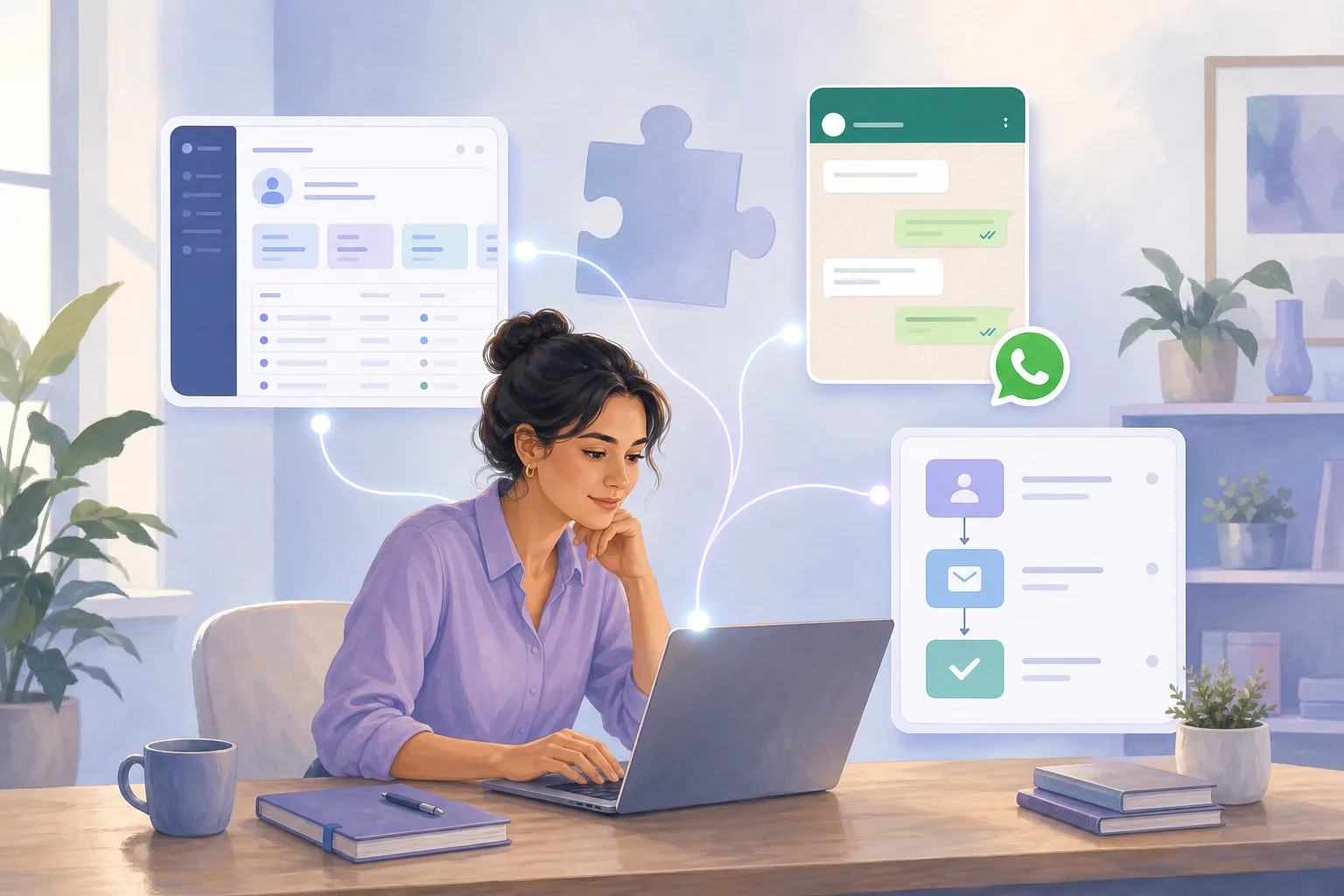

Table of Contents
- Introduction
- What is an AI integration consultant and how is it different from generic AI hype?
- Why do small businesses struggle with AI integration for small business beyond chat demos?
- What does an AI consultant for business do during discovery and process mapping?
- How does an AI integration consultant wire AI into CRM, WhatsApp, and n8n?
- What does a focused AI integration pilot look like for leads, support, and proposals?
- How do you handle privacy, reliability, and human review when integrating OpenAI or Anthropic?
- When should you hire an AI integration consultant instead of only using ChatGPT?
- How can you get started with practical AI integration on architjn.com?
- Frequently Asked Questions (FAQs)
Introduction
If you run a small business, you have probably heard that you "need AI" more times than you can count. You may already keep a ChatGPT or Claude tab open, use AI inside Canva or your email client, and watch slick demos of bots that answer anything in seconds.
Then you look at your real operations: the CRM that is half-filled, WhatsApp threads nobody logged, forms that land in an inbox before someone copies them by hand, and proposals that still start from a blank page. The gap between "AI as a cool demo" and "AI as infrastructure" is exactly where an AI integration consultant works.
I am Archit Jain. I help small businesses as an ai consultant for business who wires large language models from OpenAI and Anthropic into tools you already use-n8n workflows, your CRM, WhatsApp, forms, and internal docs. The goal is not another strategy deck. It is fewer repetitive steps, faster replies, and workflows your team can trust. This article explains what that role actually involves, what good ai integration for small business looks like in practice, and when outside help is worth it.
What is an AI integration consultant and how is it different from generic AI hype?
An AI integration consultant designs, builds, and maintains the connections between AI models and your existing business systems. The focus is practical: which tasks deserve automation, which tools should talk to each other, how data should move, and where humans stay in control.
That is different from a few nearby roles:
- A generic AI strategist may talk vision and change management but never touch your CRM or messaging stack.
- A one-off developer might ship a custom app without mapping how leads, support, and billing actually flow.
- A vendor selling a single AI product wants you inside their walled garden, whether or not it fits what you already run.
A solid ai consultant for business will usually identify high-value repetitive work, design workflows across CRM, email, WhatsApp, and databases, build and test automations in tools like n8n, monitor quality, refine prompts and logic, and train your team so the new flow becomes habit-not a side experiment.
I do not ask you to rip out your stack. I connect AI to what you rely on today and measure whether time, errors, or response speed actually improve.
Why do small businesses struggle with AI integration for small business beyond chat demos?
Most owners have tried AI. Surveys from small business groups and banks consistently show high trial rates for writing, research, and light customer communication. Far fewer firms integrate AI across daily operations in a way that sticks.
Three patterns explain the gap.
Tools stay fragmented. You might run a CRM, invoicing, WhatsApp Business, a helpdesk, and several marketing apps. Each has its own login and data shape. A language model is powerful, but on its own it does not know where your customer records live or how your team qualifies a lead.
APIs need a systems mindset. The strongest models shine when called from workflows-authentication, retries, logging, guardrails. No-code orchestration in n8n, Zapier, or Make lowers the bar, but someone still has to think in triggers, edge cases, and rollback paths.
Agentic AI raises the stakes. When AI can draft text, that is one risk level. When it can update records, message customers, or trigger billing, integration quality and governance matter. Many projects fail not because the model is weak, but because the plumbing is brittle, data is messy, or nobody owns monitoring.
An AI integration consultant exists to close that gap without selling you magic.
What does an AI consultant for business do during discovery and process mapping?
Every engagement I take starts with how the business actually runs, not how a slide deck says it should.
In discovery we ask plain questions:
- Which tasks feel like copy-paste work every day?
- Where do customer messages arrive-email, WhatsApp, Instagram, web chat-and what happens next?
- Which systems hold truth for contacts, deals, and support history?
- Where are the worst delays: first reply to a lead, proposals, document collection, FAQ answers?
- What errors repeat: missed follow-ups, inconsistent replies, CRM fields left empty?
We map data flows next. A lead might hit a website form, sit in email, then get typed into a CRM. WhatsApp inquiries might never reach the CRM at all. Proposals might ignore what was already said on a call.
A core rule applies here: do not automate chaos. If the process is inconsistent, AI will amplify the mess. Part of the consultant job is to simplify steps before adding models.
How does an AI integration consultant wire AI into CRM, WhatsApp, and n8n?
Good ai integration for small business stacks four layers without forcing you to learn a new daily workspace.
Application layer: Your CRM (HubSpot, Zoho, Pipedrive, or similar), shared inbox, Google Workspace or Microsoft 365, WhatsApp Business, calendars, and industry tools. These stay. They get augmented.
Orchestration layer: n8n, Zapier, or Make. I favor n8n for many small teams because it is open-source, can be self-hosted for cost and privacy, and handles multi-step logic well. Example flow: new WhatsApp message arrives, look up the contact in CRM, create a lead if missing, call the model to draft a reply from your guidelines, log the summary for a human.
Model layer: OpenAI and Anthropic APIs for reasoning and language tasks; other providers when they fit your ecosystem. The consultant picks models per task-cost, speed, and quality-not one model for everything.
Knowledge layer: FAQs, product sheets, policies, and internal docs. For support and sales, retrieval-augmented generation lets the model answer from your material while data stays under your control.
From your team's view, little should feel new. They still work in CRM and WhatsApp. Repetitive steps happen behind the scenes.
How this maps to services on this site
Depending on the workflow, the same integration mindset shows up in different offerings:
- AI chatbots for web or WhatsApp FAQ and qualification with human handoff.
- Lead capture when forms and messaging must land in CRM with context, not in an inbox graveyard.
- Workflow automation for n8n flows that connect billing, notifications, and ops tools.
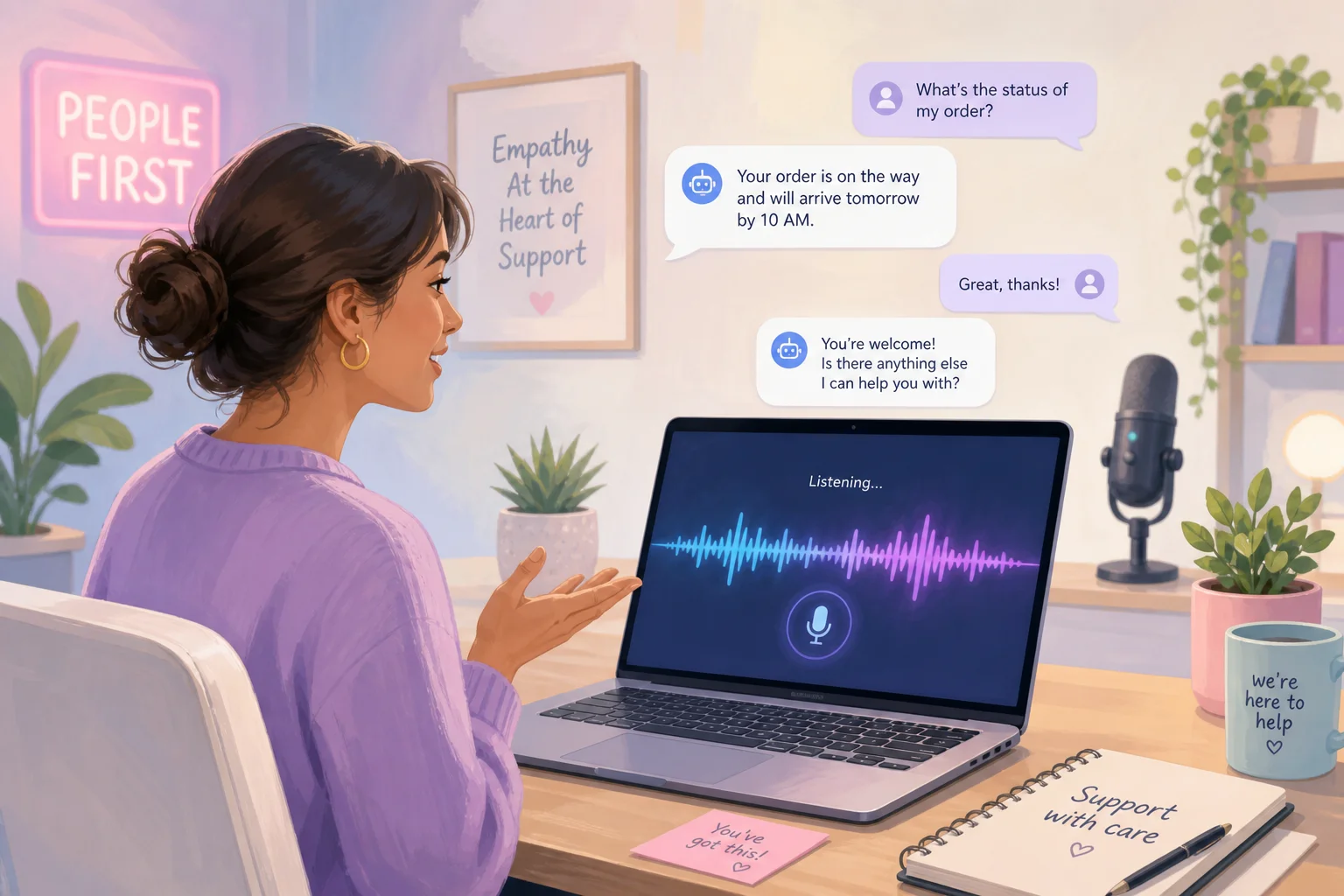
- AI support when triage, drafting, and routing should speed up the inbox without removing judgment on sensitive cases.
The consultant role is choosing which of these patterns fits your bottleneck first, then wiring them coherently.
What does a focused AI integration pilot look like for leads, support, and proposals?
Strong consultants resist "AI-enable everything." They ship one narrow, visible, measurable pilot.
Common starting points for small teams:
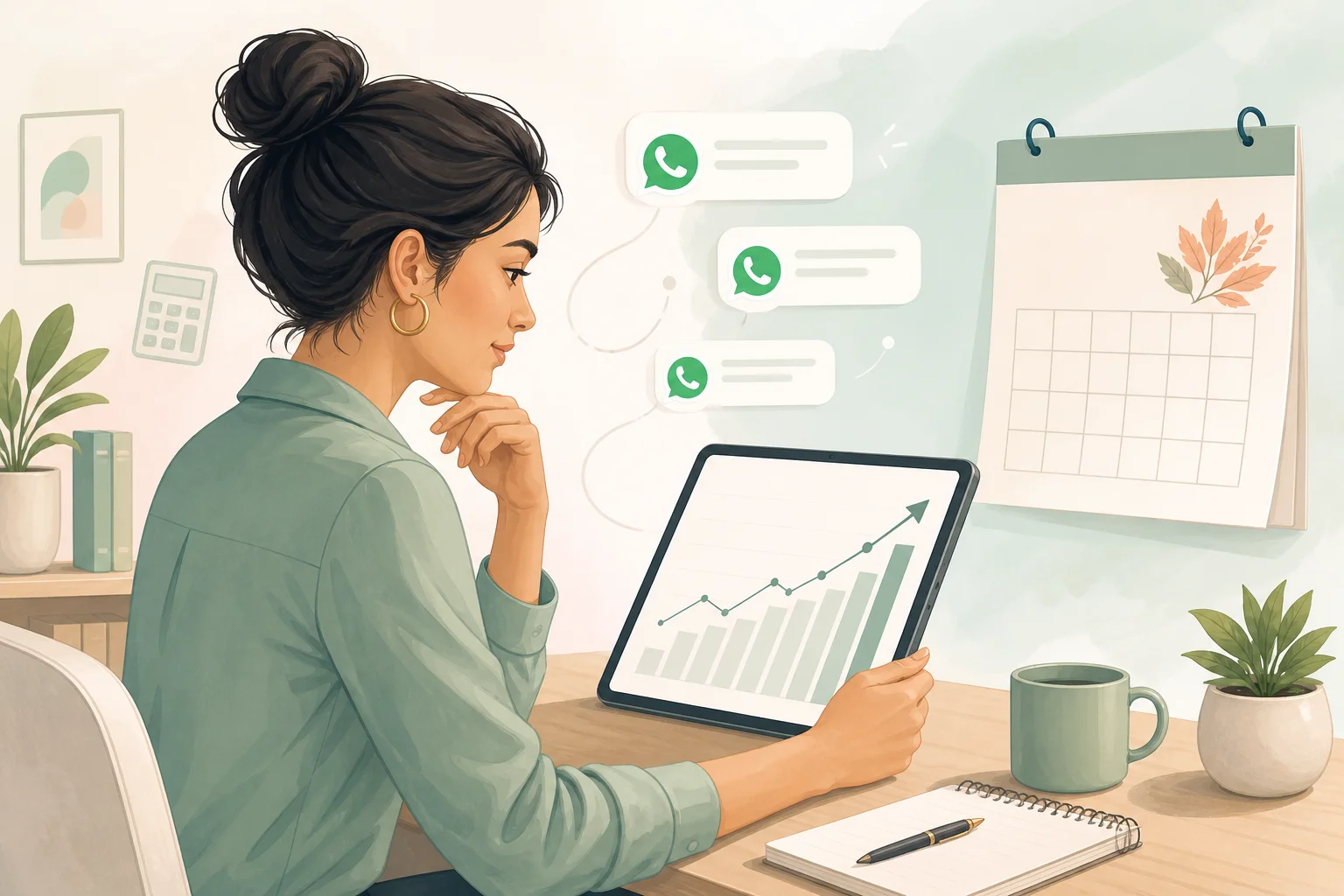
WhatsApp lead handling. Clinics, local services, education, and real estate often live on WhatsApp. Replies are slow and rarely logged. A pilot can greet new leads, ask a few qualifying questions, write to CRM via n8n, and summarize for a human follow-up.
Email triage. Classify inbound mail, extract customer and urgency, suggest a draft, route to the right person-none of that requires reading every line from scratch.
Proposal or quote drafting. Pull CRM fields and call notes into a template so sales reviews and refines instead of staring at a blank document.
In the pilot phase, AI usually assists rather than fully automates. Suggested replies sit in CRM or WhatsApp for edit and send. That builds trust, surfaces edge cases, and feeds better prompts.
Success metrics stay simple: first response time, tickets or leads per person per day, time per proposal, CRM field completeness, and qualitative feedback from staff and customers.
How do you handle privacy, reliability, and human review when integrating OpenAI or Anthropic?
Even small firms handle sensitive data. Serious integration addresses that up front.
Data boundaries. API access to OpenAI or Anthropic is not the same as pasting into a consumer chat. Configurations can limit training use and tighten security. The consultant aligns settings with your risk tolerance.
No-go zones. AI may draft; humans may send anything that changes price, legal terms, or regulated advice. AI may read CRM fields but not overwrite financial keys without review.
Fallbacks. If the API is down or confidence is low, workflows should acknowledge the customer, route to a human, or alert an owner-not fail silently.
Logging. Keep records of what the model suggested, what was sent, and what ran automatically. That supports quality control and iteration.
Training matters as much as code. Short walkthroughs, clear "what AI does and does not do" notes in CRM, and a simple way to flag bad outputs turn automation into a team habit instead of a black box.
When should you hire an AI integration consultant instead of only using ChatGPT?
DIY experimentation is worthwhile. Free tiers of ChatGPT, Claude, or Gemini teach what models can and cannot do.
The difference is depth and compounding. DIY often yields isolated wins-faster emails, better social copy. An AI integration consultant redesigns whole workflows so larger chunks of the process streamline, errors get handled, and data returns to central systems instead of scattered tabs.
You are likely ready for help when:
- You see potential but stay stuck at the demo stage.
- Manual digital work hurts response time or quality.
- Tools do not talk to each other and duplicate entry causes mistakes.
- Compliance or consistency matters and you want guardrails.
- You would rather run the business than become a part-time integrator.
Not every firm needs a consultant. If operations are simple and someone on staff enjoys learning n8n, you may get there alone. When the cost of delay is obvious, structured help compresses months of trial and error-and often includes advice on what not to automate.
How can you get started with practical AI integration on architjn.com?
A typical engagement with me follows a rhythm many ai consultant for business engagements share, without the hype.
Scoped audit (one or two sessions). We identify two or three workflows worth testing and kill ideas that automate broken process.
Focused pilot (a few weeks). One path-such as WhatsApp lead handling or inbox triage-built in n8n, connected to CRM and messaging, tested with a small group, with success criteria defined up front.
Expansion and hardening. More message types, extra channels, better monitoring, wider training. Some steps may move from assistive to autonomous where boundaries are clear.
Light ongoing review. Models and connectors change fast. Periodic passes keep workflows aligned with your business and new capabilities.
Across phases the questions stay boring on purpose: Does this save time? Cut errors? Help customers and staff? If not, we iterate or stop.
If you want hands-on help, explore the services above or reach out with your stack and biggest bottleneck. The mindset is the same whether you hire or build internally: start from workflows, integrate carefully, measure what changes.
Frequently asked questions
Quick answers on the topics covered in this article.
They map your processes, design connections between AI models and tools like CRM and WhatsApp, build workflows in orchestration platforms such as n8n, test with your team, set privacy and handoff rules, and tune prompts and logic based on real usage-not sell abstract AI strategy.
A generic consultant may focus on vision decks and tool lists. An integration specialist gets hands-on with APIs, automations, data flows, and monitoring so AI runs inside systems you already use.
It means wiring models like OpenAI or Anthropic into everyday tools so leads get logged, replies get drafted, and repetitive steps run in the background while your team keeps control on important decisions.
Usually no. The point is to augment existing tools. Consultants connect WhatsApp Business, forms, and CRM records through workflows rather than forcing a new platform.
ChatGPT helps individuals draft text. n8n (or similar) runs multi-step automations: triggers, CRM updates, model calls, and human-review branches. That is how demos become operations.
Common pilots include WhatsApp lead qualification with CRM logging, email triage with suggested replies, or proposal drafts from CRM and call notes. One workflow, clear metrics, human approval on customer-facing messages.
They configure API usage, define what data may leave your boundary, set no-go zones for sensitive actions, add fallbacks when APIs fail, and log suggestions versus what was actually sent.
When experiments never reach your CRM or inbox, manual work is hurting response times, tools do not sync, or you need guardrails and you do not want to become a full-time integrator.
Practical work spans AI chatbots, lead capture, workflow automation, and AI support-each focused on connecting models to real business flows for small teams.
Track response time, error rates, time per proposal or ticket, CRM data quality, and team feedback. If numbers and daily habits do not improve after a pilot, fix the workflow or stop-not add more tools.
Share this article
Related workflows
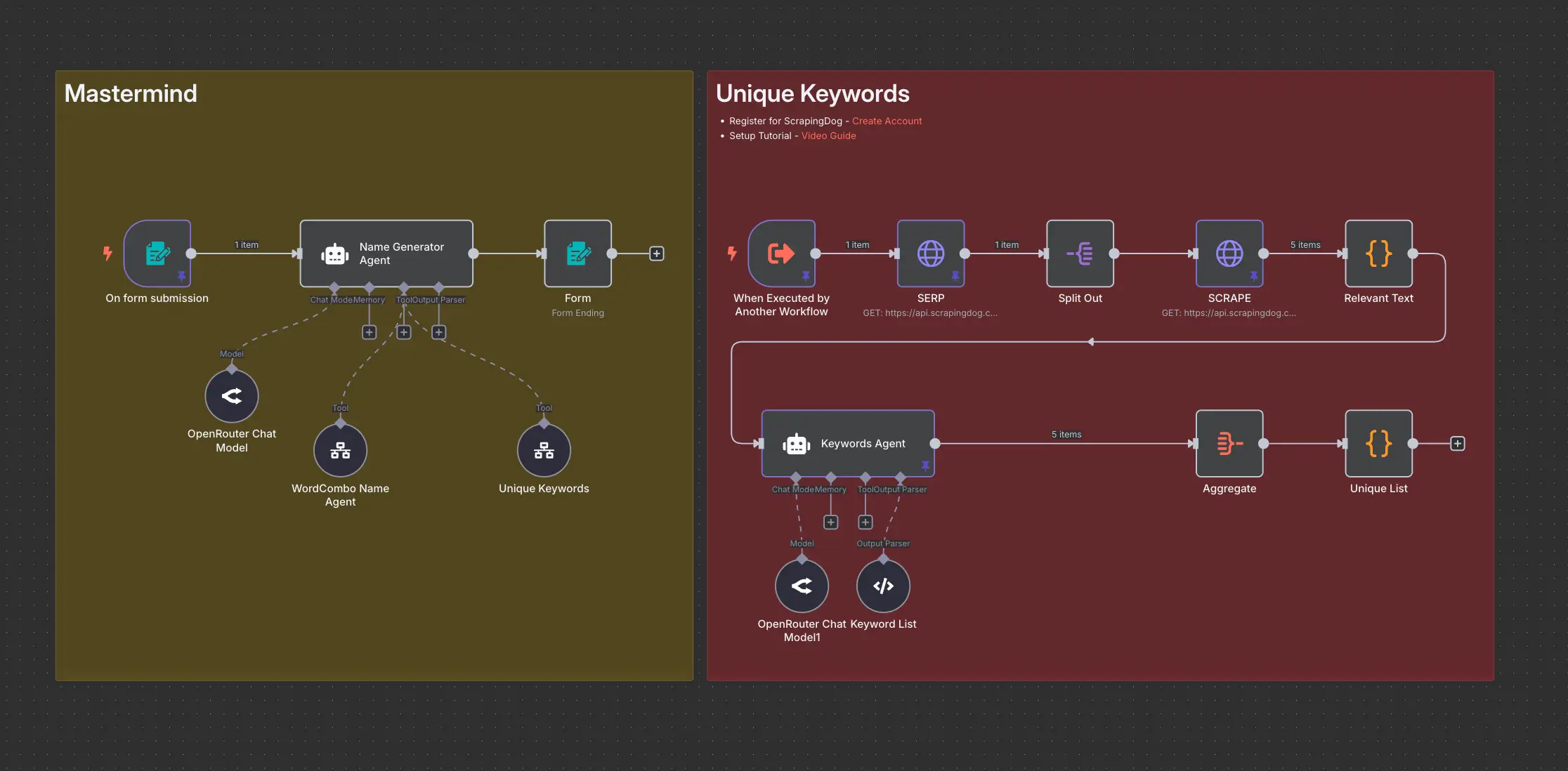
Domain Name Generator n8n workflow using ScrapingDog
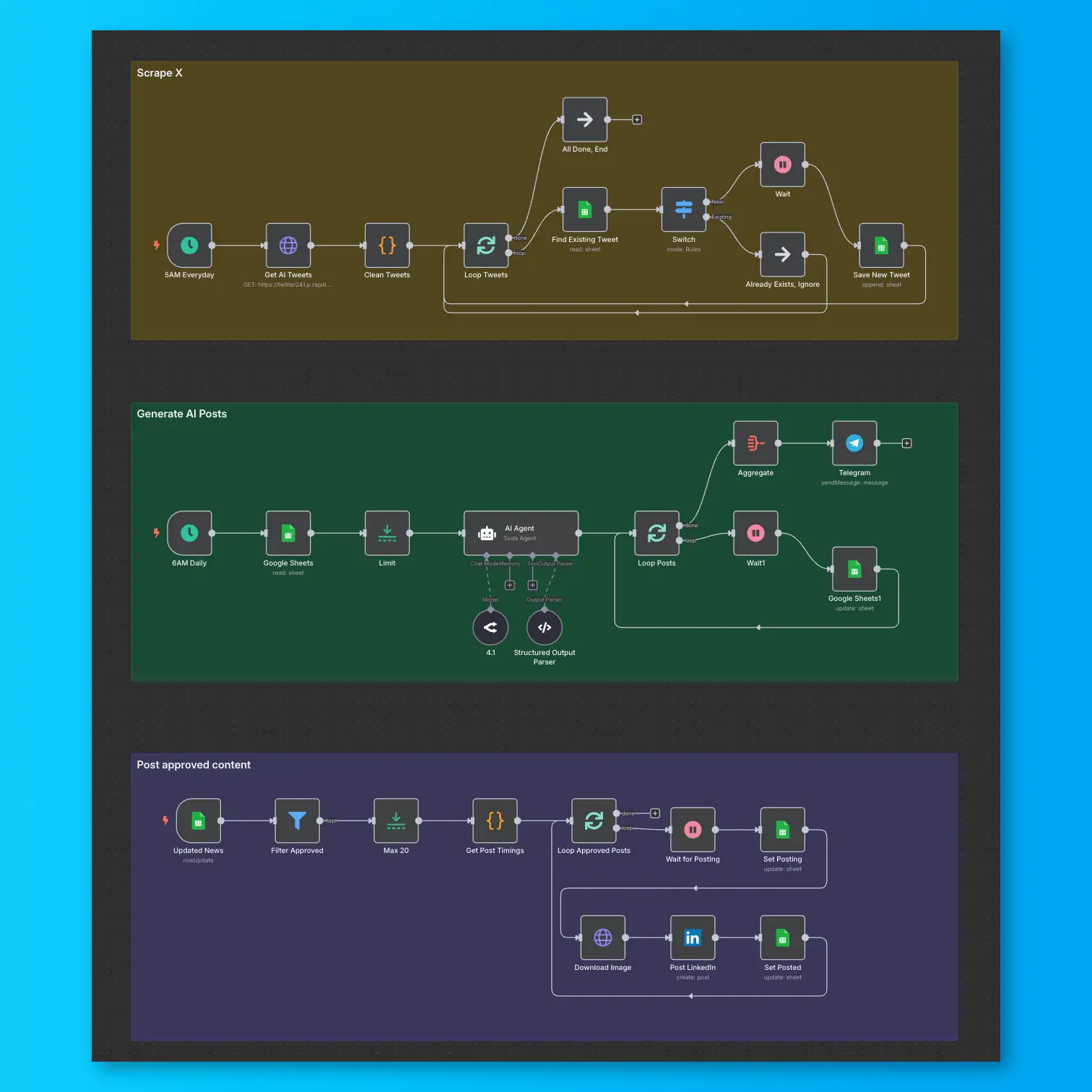
LinkedIn Automation From X Posts