Why Is Your Time-to-Lead Still Hours on WhatsApp? (2026)
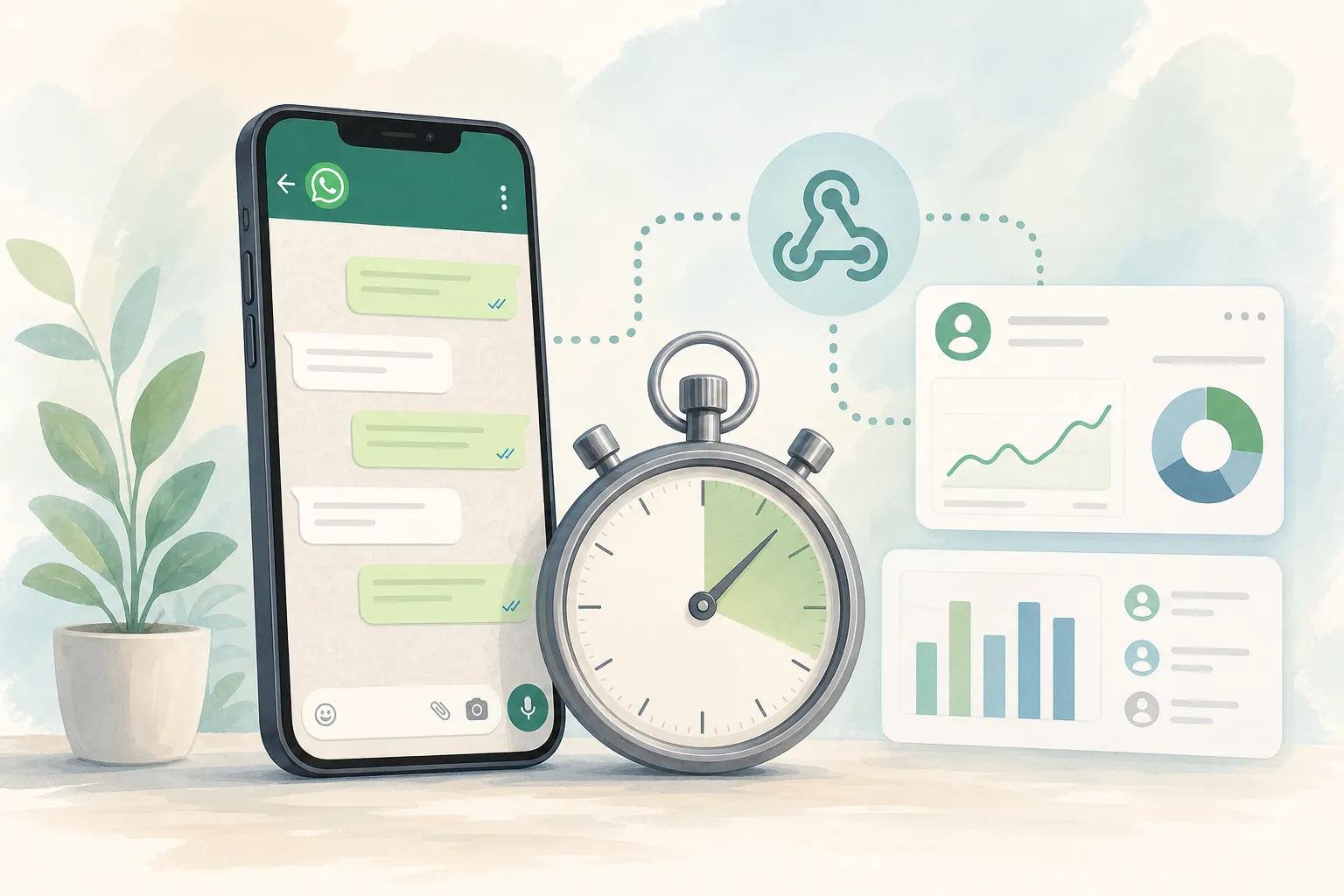

Table of Contents
- Introduction
- What is WhatsApp time to lead and why does it decide who wins the deal?
- Why does a slow first WhatsApp reply kill conversion after the form converts?
- How do after-hours gaps and personal WhatsApp inboxes stretch time to lead?
- What SLA should a small business set for WhatsApp time to lead in 2026?
- How does webhook capture into WhatsApp Business API cut time to lead?
- How does Claude qualify WhatsApp leads before a human takes over?
- What should you automate first in a WhatsApp time to lead workflow?
- When should you book a roadmap call instead of buying another chatbot seat?
- Frequently Asked Questions (FAQs)
Introduction
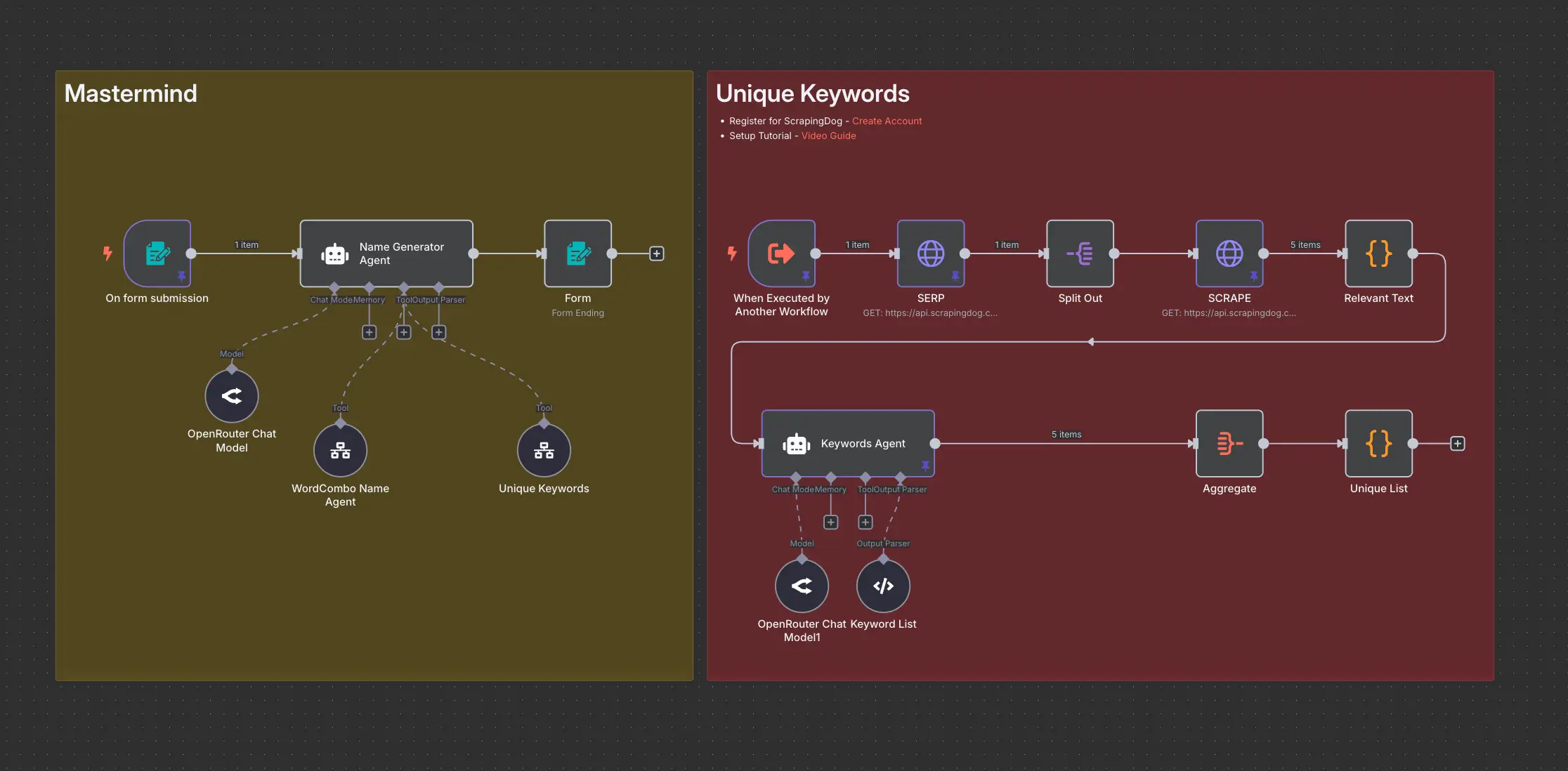
Your ad spend is working. The form converts. Meta shows healthy cost per lead. Then you open WhatsApp at 10 a.m. and find six unread threads from last night - buyers who asked about price, availability, or booking and never heard back until morning.
That gap has a name: WhatsApp time to lead. It is the minutes (or hours) between a prospect raising their hand and your first meaningful reply. In 2026, on a channel built for instant conversation, that number is not a support metric. It is a revenue metric.
This post is for ops owners, founders, and revenue leads who already know WhatsApp matters but still measure time to lead in hours. The fix is not another generic chatbot subscription. It is a webhook-driven pipeline - WhatsApp Business API, orchestration, Claude qualification, CRM logging - that compresses first response to seconds and hands humans a warm thread, not a cold number copied from email.
What is WhatsApp time to lead and why does it decide who wins the deal?
WhatsApp time to lead is the elapsed time from a prospect's inbound signal to your first relevant reply on WhatsApp. The signal might be a click-to-WhatsApp ad, a form that triggers a message, a portal inquiry, or a direct DM to your business number. The reply must acknowledge their question and move the conversation forward - not a generic "we received your message" that ends there.
On WhatsApp, buyers are holding their phone with notifications on. Attention peaks at submit and decays fast. Teams that reply in under 60 seconds routinely qualify two to three times more leads than teams that wait 30 minutes, because they stay inside that attention window. The competitor who answers first often wins even when your offer is stronger.
That is why time to lead on WhatsApp is different from email follow-up. Email can wait until Monday. WhatsApp cannot. Treating WhatsApp like an inbox you check three times a day is the same as leaving money on the table after you paid for the click.
Why does a slow first WhatsApp reply kill conversion after the form converts?
A slow first WhatsApp reply kills conversion because the buyer is comparing you to whoever answered while you were in a meeting, on a call, or asleep. Classic speed-to-lead research showed qualification odds drop sharply after the first five minutes. On WhatsApp in 2026, the practical bar is tighter: under 60 seconds for first touch, under five minutes to a live conversation when the lead shows intent.
When your median time to lead is 20 or 30 minutes, three things happen. First, the buyer messages two competitors and books with whoever replies with specifics. Second, urgency fades - price and friction matter more than speed. Third, you look disorganized even if your product is excellent. First-responder status is its own competitive moat on a conversational channel.
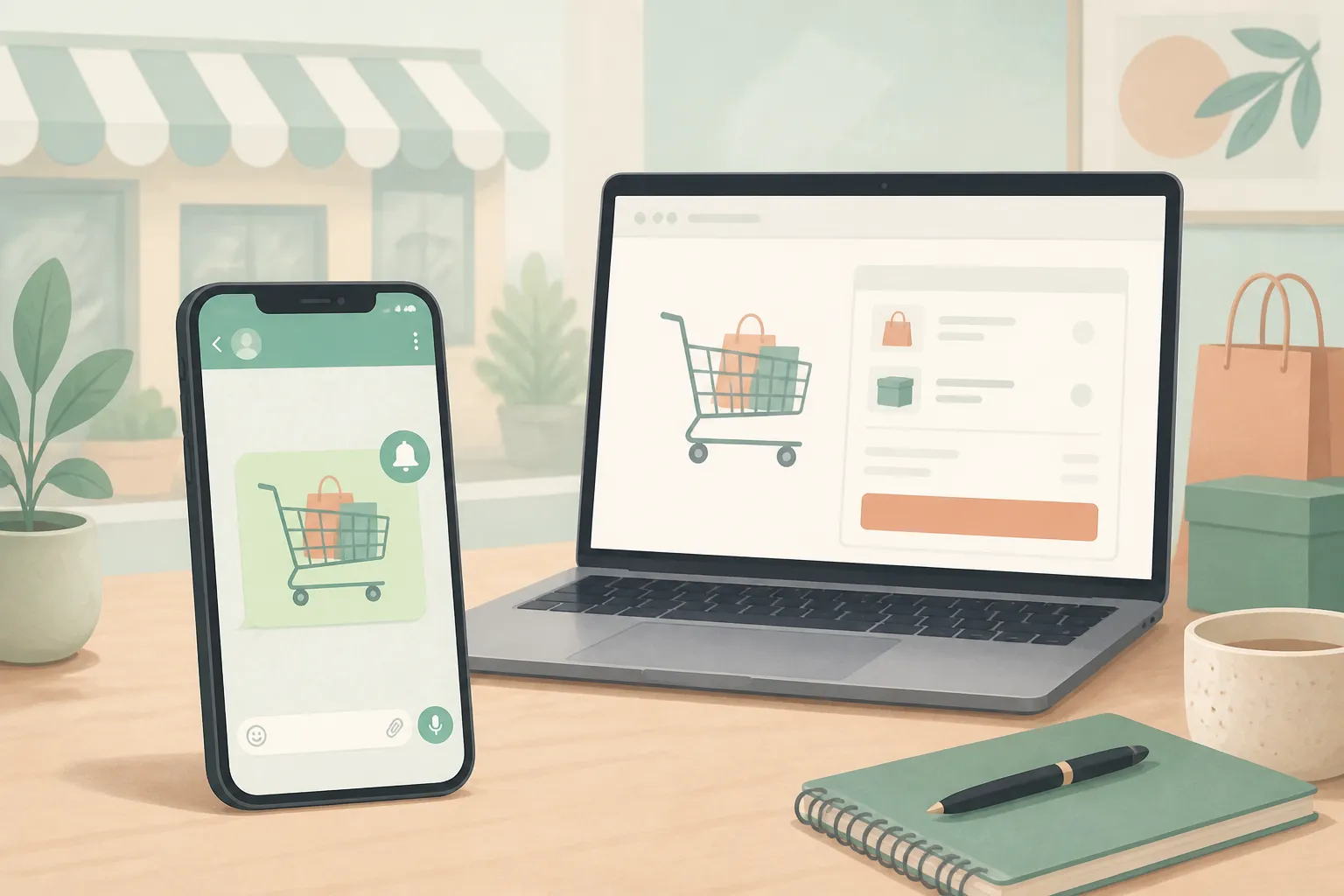
This is not a targeting problem. It is a pipeline leak between capture and first reply. If you already run Meta leads into CRM automation but agents still copy numbers into personal WhatsApp, your time to lead is whatever the slowest agent checks their phone - not what your CRM timestamp says.
How do after-hours gaps and personal WhatsApp inboxes stretch time to lead?
After-hours gaps and personal WhatsApp inboxes stretch time to lead because leads arrive 24/7 but your reply capacity follows business hours and one person's notification settings. A lead at 8 p.m. sits until 9 a.m. Half a day of silence on WhatsApp feels like being ignored. Buyers do not wait.
Personal WhatsApp makes it worse. The conversation lives on an agent's phone with no shared inbox, no CRM log, and no routing when that agent is off shift. Management sees "we replied" because one message went out. The buyer experienced hours of silence or got the wrong specialist.
The pattern matches what breaks after-hours lead qualification in other channels, but WhatsApp is the expected first touch in many markets - D2C, real estate, local services, clinics. Automation should own the instant acknowledgment and structured questions 24/7. Humans should own negotiation, exceptions, and high-value closes - not the first "thanks for reaching out, what are you looking for?" at 1 a.m.
What SLA should a small business set for WhatsApp time to lead in 2026?
A practical WhatsApp time to lead SLA for small business in 2026 splits first touch from full human engagement: 0-10 seconds to automated acknowledgment, under 60 seconds to start a real conversation, under five minutes to human handoff when the lead qualifies. You are not promising a founder on every thread in 30 seconds. You are promising no lead waits in silence while competitors reply.
| Stage | Target | What counts |
|---|---|---|
| First acknowledgment | 0-10 seconds | WhatsApp Business API reply referencing their inquiry |
| Live conversation start | Under 60 seconds | AI or human asks a relevant follow-up question |
| Qualified handoff | Under 5 minutes | Budget, timeline, or booking intent routed to the right person |
| Off-hours (with automation) | Under 1 minute bot reply | Human follow-up next business day for non-urgent threads |
Separate SLAs for business hours and off-hours. A solo operator cannot match enterprise 24/7 human coverage. A bot plus escalation rules can still beat "we'll get back to you tomorrow."
If you cannot measure median time to lead today without asking each rep to scroll WhatsApp, your SLA is fiction. The companion post on WhatsApp time to lead KPI dashboards covers the measurement format. Fix the pipe first; optimize the dashboard second.
How does webhook capture into WhatsApp Business API cut time to lead?
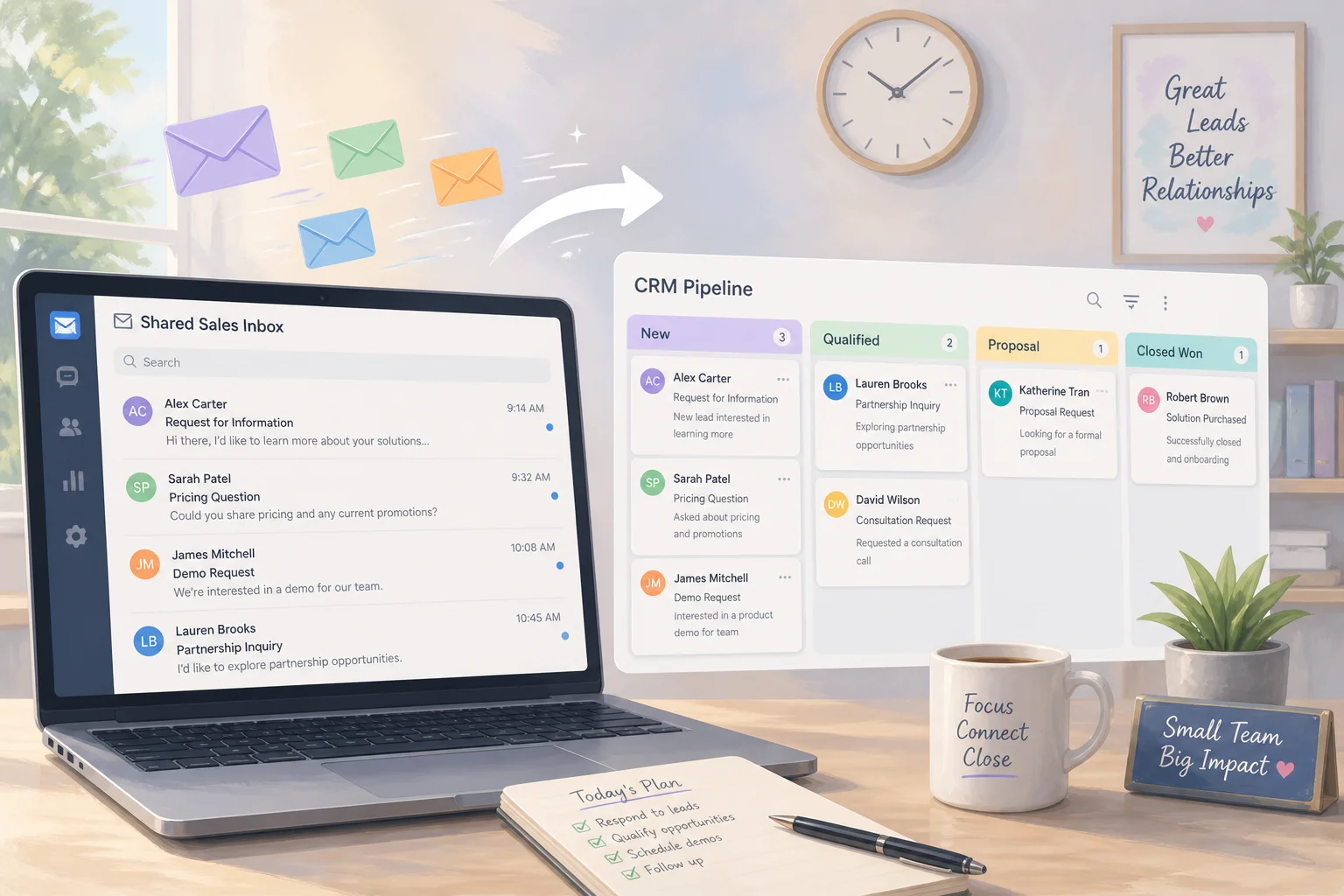
Webhook capture cuts time to lead by firing automation the moment a lead arrives instead of waiting for a human to notice email, export a CSV, or copy a phone number. Every inbound source - Meta lead ads, Typeform, website forms, portal notifications - should POST to one orchestration endpoint. That layer normalizes the payload, creates or updates a CRM record, and triggers WhatsApp Business API within the same execution.
The architecture is consistent across verticals:
- Lead source fires webhook (form submit, Meta
leadgen, portal API). - Orchestration (n8n, Make, or custom) parses contact fields and source metadata.
- WhatsApp Business API sends first touch with listing, product, or campaign context.
- CRM logs inbound timestamp, outbound timestamp, and message thread ID.
Polling and manual import add minutes. Webhooks add milliseconds of queue time. If your median form-to-reply exceeds two minutes, check webhook delay and queue config before blaming copy or targeting.
Use the official WhatsApp Business API, not gray-market gateways. Meta's chatbot rules require scoped, compliant agents - see WhatsApp AI chatbot rules for 2026 for template windows, opt-in, and what not to automate. Non-compliant setups risk number bans that reset your time to lead to infinity.
How does Claude qualify WhatsApp leads before a human takes over?
Claude qualifies WhatsApp leads by running a structured conversation that asks your best rep's questions, scores fit, and writes CRM fields before a human opens the thread. The model is not improvising from a one-line form answer. It follows a schema: need, timeline, budget, authority, and any vertical-specific filters (location, product SKU, rent vs buy).
A typical flow:
- Webhook creates lead in CRM with source and campaign metadata.
- WhatsApp first touch references what they asked about.
- Claude (Haiku for volume, Sonnet for high-AOV nuance) continues the thread with 2-4 qualifying questions.
- Answers populate CRM fields and a simple score (hot, warm, cold).
- Hot leads ping the assigned rep with full context; cold leads enter nurture or polite close.
This mirrors AI lead scoring for small business but on the channel where the buyer actually lives. Keep humans for relationship moments, angry customers, legal edge cases, and deals large enough to justify a person. Let automation own the repetitive first five minutes that currently burn ad budget.
Guardrails matter: approve-before-send for sensitive industries, no fabricated pricing, clear handoff when the buyer asks for a human, and logging every AI turn in CRM for audit.
What should you automate first in a WhatsApp time to lead workflow?
Automate capture, instant first reply, and qualification logging before you buy another CRM seat or unify five channels into one mega-bot. Use what to automate first logic: highest leak, lowest effort, measurable within 30 days.
Week 1 - Stop the leak
- List every inbound path (ads, forms, portals, direct WhatsApp).
- Pick the highest-volume source.
- Connect webhook to CRM plus WhatsApp Business API first touch.
Week 2 - Add qualification
- Define five questions your best closer asks on every call.
- Wire Claude to ask them in chat and write answers to CRM.
- Set escalation rules for hot scores.
Week 3 - Measure
- Track median minutes from form submit to first reply.
- Review 10 random threads for logging gaps.
- Fix routing before adding channels.
Daily checklist
- Check median time to lead vs SLA (target under 5 minutes business hours).
- Review unassigned hot threads older than 10 minutes.
- Confirm overnight leads got bot acknowledgment within 60 seconds.
Weekly checklist
- Compare qualification rate by source (which ad sets produce reply-ready leads?).
- Audit CRM fields: are timeline and budget populated before human handoff?
- Tune Claude prompts from threads that stalled or mis-routed.
Do not start with voice bots, property matching, or omnichannel unification. Those come after the pipe stops leaking at first reply.
When should you book a roadmap call instead of buying another chatbot seat?
Book a roadmap call when ad spend is rising but booked calls are flat, or when nobody on the team can state median WhatsApp time to lead without opening personal chats. That gap means you are buying leads into a leaky pipe. Another chatbot seat adds cost without fixing capture, routing, or measurement.
A 45-minute session maps your current form-to-WhatsApp flow, scores automations by revenue impact, and leaves you with a ranked build order - what to wire this week, what to defer, and whether DIY n8n or a build partner fits your volume. Useful when you have two or three broken handoffs and tool sprawl, not when you need a generic AI demo.
Book a 45-minute roadmap call if time to lead is measured in hours while competitors reply in seconds. We will identify the highest-leak step and outline a 30-day rollout on your existing stack.
Frequently asked questions
Quick answers on the topics covered in this article.
WhatsApp time to lead is the time from a prospect's inbound signal (form, ad click, or direct message) to your first meaningful reply on WhatsApp. It measures how fast you enter the conversation, not how fast you close.
Aim for 0-10 seconds to automated acknowledgment, under 60 seconds to start a real conversation, and under five minutes to human handoff on qualified leads during business hours. Median form-to-reply under five minutes is strong; under one minute with automation is competitive.
WhatsApp users expect instant, conversational replies. They often contact multiple businesses in one session and book with whoever responds first with relevant detail. Email delays feel normal; WhatsApp delays feel like being ignored.
Yes for reliable, logged, team-scale automation. Personal WhatsApp cannot share inboxes, enforce SLAs, or integrate cleanly with CRM webhooks. Use the official Business API with compliant templates and opt-in rules.
Claude runs structured qualifying questions in chat, scores fit, and writes CRM fields before a human takes over. Haiku handles high volume; Sonnet handles nuanced or high-ticket threads. Humans stay on negotiation and exceptions.
Time to lead usually starts at form submit or ad conversion. First response time often starts at the first inbound WhatsApp message. When a form immediately triggers WhatsApp, they are nearly identical. Complex funnels need both metrics.
Yes. n8n receives webhooks from forms and Meta, calls Claude for qualification, sends WhatsApp Business API messages, and updates HubSpot, Pipedrive, or similar CRMs. It is a common glue layer for small teams that outgrow manual copy-paste.
Automated acknowledgment and basic qualification should run 24/7. Full human coverage may follow business hours, but leads should never sit in silence overnight. Bot first touch plus morning human follow-up beats nine hours of dead air.
Generic bots deflect FAQs. Time to lead automation captures paid inbound, references campaign context, qualifies into CRM fields, and routes hot leads to the right rep with full thread history - tied to revenue, not ticket deflection alone.
When you have real lead volume, multiple broken handoffs, and no one who owns CRM plus API wiring. A roadmap call helps decide DIY n8n vs build partner before you commit to another SaaS seat that does not fix measurement or routing.
Share this article
Related workflows
Daily Validated Business Ideas using n8n and Upwork
Deep Research using n8n automation to generate report using Tavily