Why Do Abandoned Carts Sit in Shopify While WhatsApp Goes Quiet? (2026)

Table of Contents
- Introduction
- Why do abandoned carts sit in Shopify while WhatsApp goes quiet for D2C brands?
- What is WhatsApp abandoned cart recovery automation and how does it work?
- How does checkout opt-in and consent gate D2C cart recovery on WhatsApp?
- When should you use the 24-hour window vs marketing templates?
- How do Shopify abandon triggers fire WhatsApp recovery messages?
- How does Claude personalize WhatsApp cart recovery without sounding spammy?
- What stop rules and opt-out handling must your automation include?
- What should you automate first in a WhatsApp cart recovery workflow?
- When should you book a roadmap call for WhatsApp cart recovery?
- Frequently Asked Questions (FAQs)
Introduction
Your Shopify dashboard shows abandoned checkouts every morning. Email recovery runs on a template you set up two years ago. SMS costs spike when you blast promos. Meanwhile WhatsApp - the channel your D2C buyers actually reply on - sits quiet unless someone manually copies a number from the order screen.
That split is expensive. WhatsApp open rates for commerce messages routinely beat email, and cart recovery on the channel can recover 8-12% of abandoned checkouts from a single well-timed touch when the buyer already opted in. The carts are not missing. The automation is. Most teams already pay for Shopify and a WhatsApp BSP - the missing piece is a consent-first webhook flow that fires when checkout stalls.
This post is for D2C founders and ops leads who already collect phone numbers at checkout but never wired Shopify abandon events into WhatsApp Business API flows. You will learn how WhatsApp abandoned cart recovery automation should work in 2026: explicit checkout opt-in, the 24-hour customer care window versus marketing templates, Shopify trigger timing, Claude-assisted personalization that does not feel like spam, and hard stop rules when someone says STOP.
Why do abandoned carts sit in Shopify while WhatsApp goes quiet for D2C brands?
Abandoned carts sit in Shopify while WhatsApp goes quiet because most D2C teams treat WhatsApp as a support inbox, not a recovery channel wired to checkout events. Shopify logs the abandon. Email fires. Nobody connected the phone number and opt-in flag to a Business API template sequence.
Three gaps cause the silence: no WhatsApp marketing consent record, no Shopify-to-API webhook automation, and fear of spam that blocks sequences even for buyers who opted in. A store with 500 monthly abandons at $80 AOV stalls $40,000 before recovery. WhatsApp is not magic, but for opted-in D2C buyers it is often the highest-attention channel you already have permission to use.
If your paid traffic already lands on click-to-message ads but post-click follow-up is slow, cart recovery is the same discipline applied one step later in the funnel: capture, consent, instant relevant message, logged in CRM.
What is WhatsApp abandoned cart recovery automation and how does it work?
WhatsApp abandoned cart recovery automation is a rules-based flow that detects a stalled Shopify checkout, verifies WhatsApp consent, and sends approved template messages with cart details and a return link until the buyer completes purchase or opts out. It replaces manual "hey, you forgot something" DMs with compliant, measurable sequences.
A mature flow has five layers: consent storage, Shopify checkout triggers, template orchestration (first touch at 30-60 minutes, optional 24h and 48h follow-ups), personalization fields (name, image, price, UTM checkout link), and stop rules that suppress unsubscribes. n8n or similar tools sit between Shopify webhooks, CRM, Claude for copy inside template limits, and your WhatsApp BSP.
How does checkout opt-in and consent gate D2C cart recovery on WhatsApp?
Checkout opt-in gates D2C cart recovery on WhatsApp because platform policy and GDPR-style laws require explicit consent to send marketing cart reminders on that channel - not just a phone field for shipping. Generic "marketing communications" checkboxes are not enough if WhatsApp is not named.
Best practice: name WhatsApp explicitly, state cart reminders are automated, identify the brand, and make unsubscribe as easy as subscribe (reply STOP). Store timestamp, page URL, checkbox text, and phone in CRM for proof. Only contacts with active WhatsApp marketing opt-in enter recovery; transactional-only numbers get utility templates for order updates, not discount blasts. Unclear consent kills trust - the same pattern as when leads go quiet after the form.
When should you use the 24-hour window vs marketing templates?
Use marketing templates for the first cart recovery touch after silence; use the 24-hour customer care window only after the buyer replies to your message. WhatsApp charges and categorizes conversations differently, and outbound abandon reminders are almost always business-initiated marketing.
After a customer messages you, a 24-hour session allows free-form replies; each inbound resets the clock. That fits live chat after a cart reminder - not the initial nudge 45 minutes after abandon. Outbound recovery starts with approved marketing templates: first reminder 30-60 minutes after abandon (no discount yet), optional second at 24 hours (shipping or social proof), final at 48 hours with a small incentive. Replies open the 24-hour window for AI or human help; further silent outreach needs new templates and bills as separate conversations.
How do Shopify abandon triggers fire WhatsApp recovery messages?
Shopify abandon triggers fire WhatsApp recovery when an abandoned checkout event meets your delay threshold, the record includes a phone number, and the contact has WhatsApp marketing opt-in. Cart-only abandons (never reached checkout) often lack phone data - prioritize checkout abandons for WhatsApp.
Prioritize checkout abandonment over cart-only abandons - you usually have phone, line items, and richer data. Webhooks on checkout create/update plus a 30-minute wait node are standard. Filter before send: E.164 phone, opt-in true, not purchased, not suppressed. Map name, product, price, image, and UTM checkout link into template variables. n8n workflows can branch on cart value, exclude SKUs, sync to Klaviyo or HubSpot, and alert humans on high-value no-click abandons. First message inside 30-60 minutes while intent is fresh.
How does Claude personalize WhatsApp cart recovery without sounding spammy?
Claude personalizes WhatsApp cart recovery by generating warm, specific copy inside approved template placeholders - product names, prices, prior purchase references - while guardrails block aggressive sales language and sensitive data. Personalization should feel like a helpful shop associate, not a surveillance ad.
Reference the exact SKU, product image, price, and first name once. Claude drafts segment variants (repeat vs first-time buyers) inside template character limits. Avoid spam patterns: early discounts, ALL CAPS urgency, off-site browsing references. Constrain with max length, forbidden phrases, and required STOP footer. Pre-approve template shells; AI fills variables only. On reply, Claude handles FAQs in the 24-hour window before human escalation - same discipline as WhatsApp time to lead. Cap at two or three touches over 48-72 hours and mark the final message as last reminder.
What stop rules and opt-out handling must your automation include?
Stop rules must detect STOP, UNSUBSCRIBE, and natural-language opt-out replies, immediately suppress marketing sends, and exclude those contacts from all cart recovery segments. Meta requires an opt-out path in marketing templates; ignoring it risks account quality issues and regulatory complaints.
Footer every template with "Reply STOP to unsubscribe." Match STOP variants on inbound, tag unsubscribed in CRM, cancel pending steps, log timestamp. Treat blocks as hard suppressions and sync opt-out across email and support tickets. Honor within 24 hours under DPDP-style rules. Segment with positive filters: opt-in true, unsubscribed false, phone valid. One message after STOP destroys trust and risks BSP review.
What should you automate first in a WhatsApp cart recovery workflow?
Automate consent capture and proof, checkout abandon detection with a single first-touch template, and opt-out handling before you add discounts, AI copy, or multi-step sequences. Most D2C teams skip straight to three-message promo flows and never fix the consent gap.
Week one: audit checkout copy, add explicit WhatsApp cart reminder consent if missing, and store consent metadata in Shopify metafields or CRM. Week two: connect abandoned checkout webhooks to one marketing template - friendly reminder, product details, checkout link, STOP footer - with a 45-minute delay and opt-in filter. Week three: wire inbound STOP to suppression and measure recovery rate, revenue recovered, CTR, and opt-out rate per touch.
Add second and third templates only when the first touch performs and opt-outs stay below your threshold (many brands target under 2% per sequence). Layer Claude for copy variants after templates are approved - not before. Segment high-AOV abandons to human alert rather than deeper discounting first.
This mirrors a sensible what to automate first order: fix the highest-volume revenue leak with the smallest compliant workflow, measure, then expand. Cart recovery is not a chatbot project. It is checkout plumbing plus template discipline.
When should you book a roadmap call for WhatsApp cart recovery?
Book a roadmap call when Shopify shows steady checkout abandons, you have phone collection at checkout, but recovery still runs only on email - or when BSP setup, template rejection, and n8n wiring block launch for weeks. DIY makes sense for single-store brands with technical ownership; fragmented stacks need a focused 30-day plan.
Signs you need help: templates rejected repeatedly for category mismatch; no clear record of WhatsApp opt-in; personal WhatsApp still used for high-value abandons; recovery revenue not attributed in analytics; opt-out replies not stopping sequences. A 45-minute roadmap call maps your checkout flow, consent text, trigger timing, template sequence, and orchestration layer without selling another generic chatbot seat.
Book a 45-minute roadmap call if abandoned carts pile up in Shopify while WhatsApp stays quiet. We will identify the highest-leak step - usually consent or trigger wiring - and outline a compliant rollout on your existing Shopify and API stack.
Frequently asked questions
Quick answers on the topics covered in this article.
It is an automated flow that detects stalled Shopify checkouts, verifies WhatsApp marketing consent, and sends approved template messages with cart details and a checkout link until the buyer purchases or opts out.
WhatsApp messages see higher open and click rates for many D2C audiences, but require explicit channel consent, approved templates for business-initiated outreach, and strict opt-out handling. Email is easier to blast but easier to ignore.
Yes. Collecting a phone number for order updates is not enough for promotional cart recovery. Checkout or signup must explicitly name WhatsApp and cart reminders, with stored proof of consent.
Most D2C brands send the first reminder 30-60 minutes after checkout abandonment while purchase intent is still high. Delays beyond a few hours usually reduce recovery without improving customer experience.
The 24-hour customer care window allows free-form replies after the buyer messages you. Initial cart recovery after silence requires pre-approved marketing templates and is billed as a business-initiated marketing conversation.
Usually no. Leading with discounts trains customers to abandon for coupons. Start with a friendly reminder and product details; add modest incentives only in later touches if the buyer stays silent.
Yes, inside approved template placeholders with guardrails on length, tone, forbidden phrases, and required opt-out lines. AI fills variables; template structure stays Meta-approved.
Detect STOP and natural-language opt-outs, suppress immediately, exclude from all marketing segments, log the event, and sync suppression across email and CRM. Every marketing template needs a clear unsubscribe instruction.
Prioritize abandoned checkout events with phone number and opt-in flag. Cart-only abandons often lack phone data and are weaker fits for WhatsApp unless you captured number earlier with consent.
Yes. n8n receives Shopify webhooks, filters opted-in contacts, calls Claude for copy variants, sends WhatsApp Business API templates via your BSP, updates CRM, and handles inbound STOP messages to suppression lists.
Share this article
Related workflows
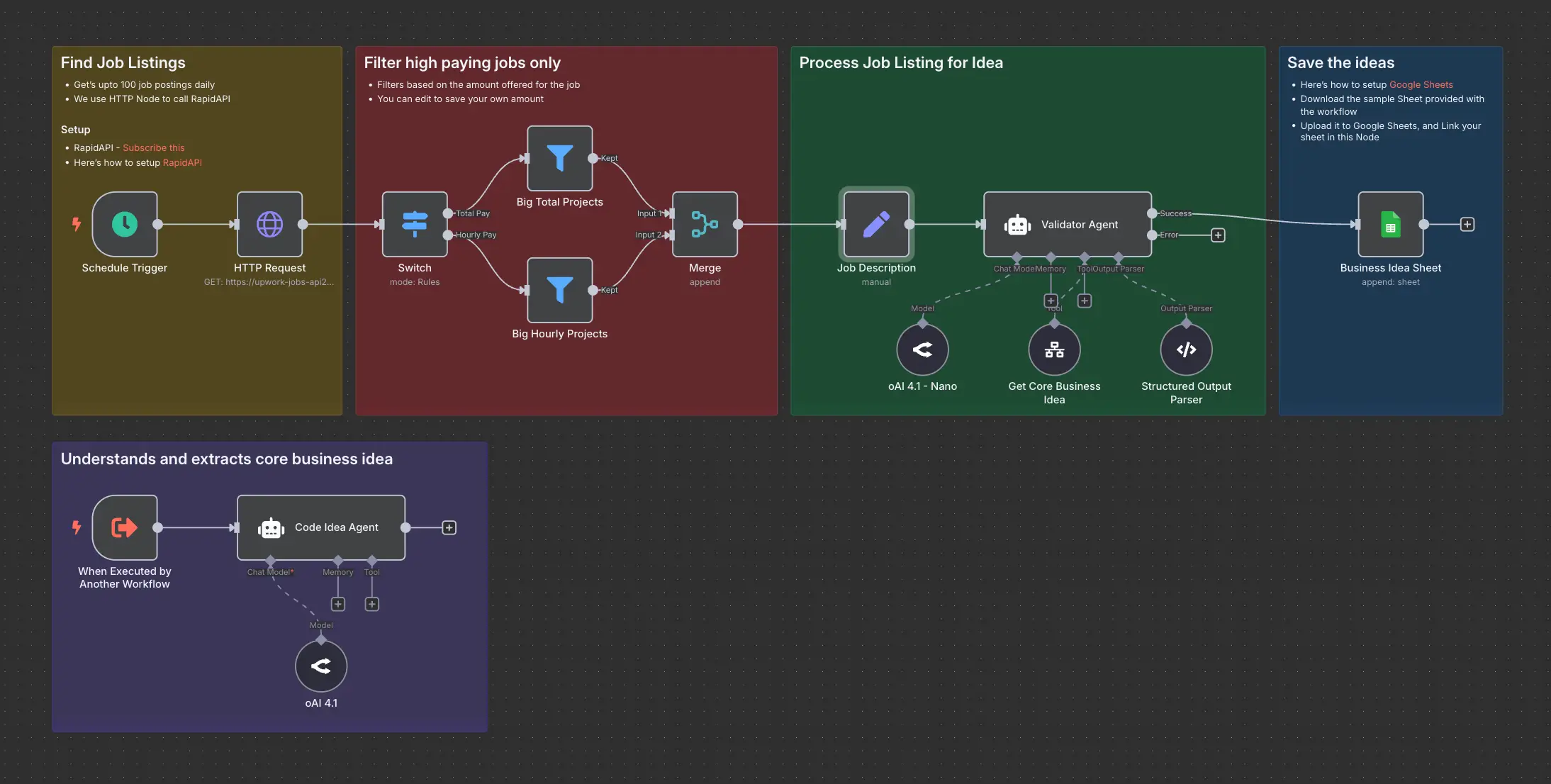
Daily Validated Business Ideas using n8n and Upwork
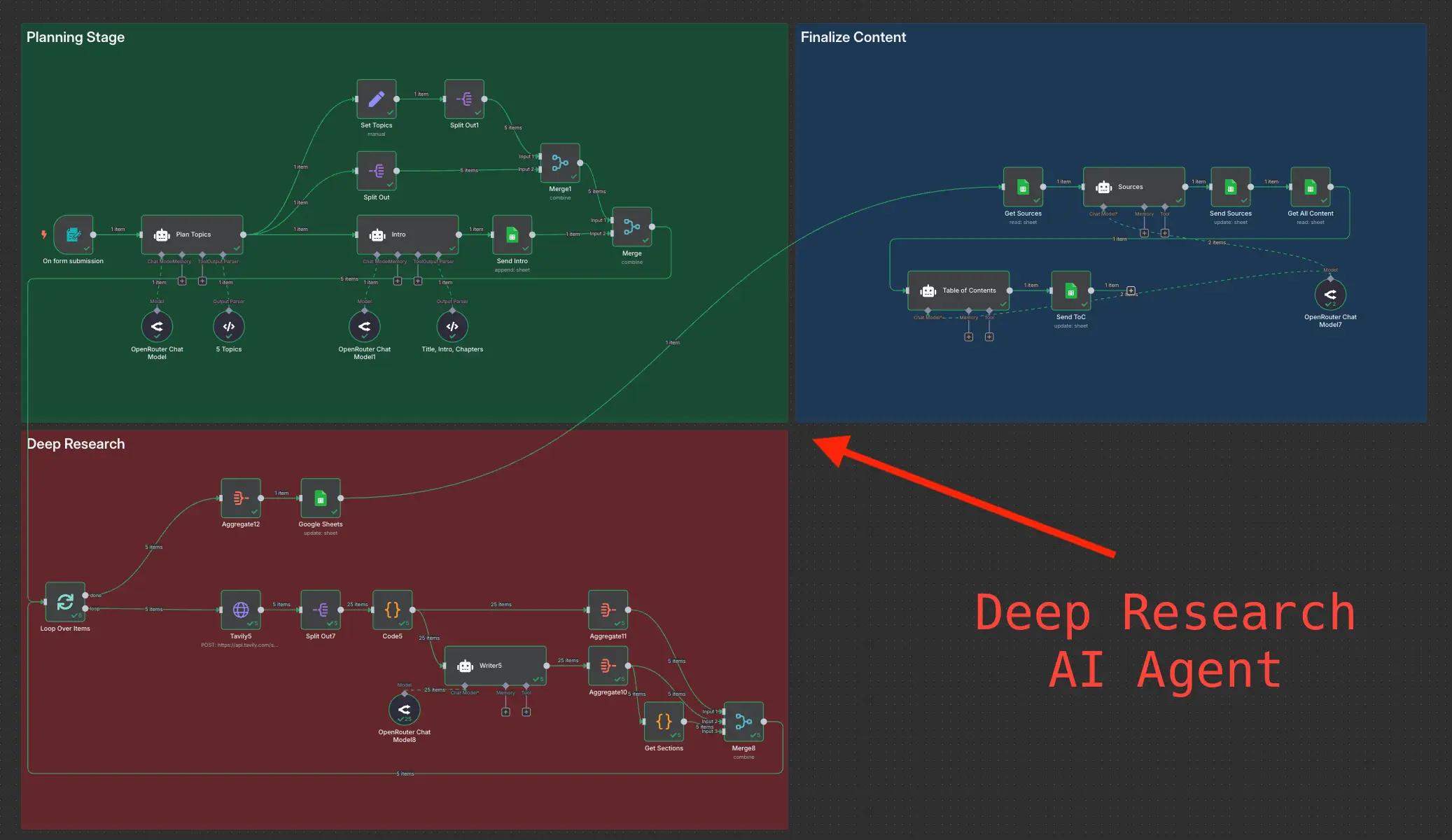
Deep Research using n8n automation to generate report using Tavily