What are click to WhatsApp ads automation and Meta click to
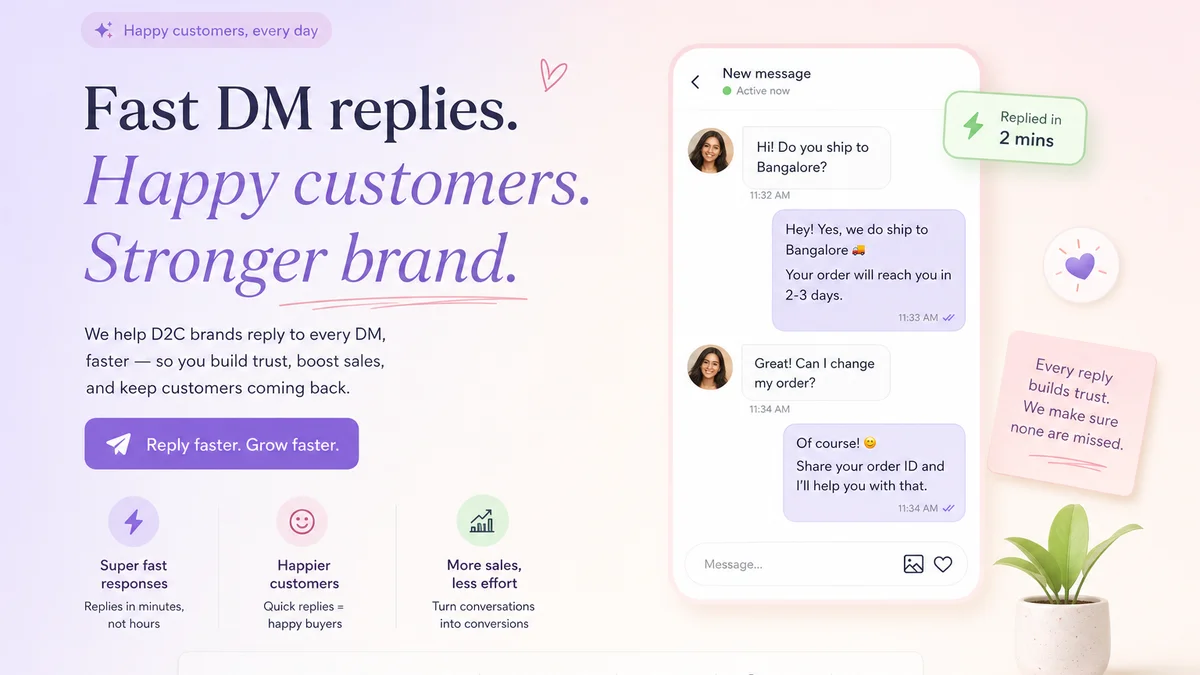

Table of Contents
- Introduction
- What are click to WhatsApp ads automation and Meta click to Instagram DM campaigns?
- Why does slow D2C lead response time kill click-to-message ad performance?
- How fast should you reply when buyers message from Meta DM ads?
- What breaks when D2C brands treat DMs like email support tickets?
- How does a custom Claude agent on Meta webhooks fix slow DM replies?
- How does the webhook-to-Haiku-to-Sonnet message flow work for D2C sales?
- What product catalog and qualification tools does the Claude agent need?
- How do you roll out click to WhatsApp ads automation without hurting brand voice?
- How do you measure D2C lead response time and conversation-to-purchase?
- When should you book a 45-minute roadmap call instead of more DIY tools?
- Frequently Asked Questions (FAQs)
Introduction
Meta keeps pushing advertisers toward conversations instead of landing pages. Click to WhatsApp ads automation and Meta click to Instagram DM campaigns send high-intent shoppers straight into a thread with your brand. That is the whole point: lower friction, in-app engagement, a first-party channel you own.
It only works if someone answers while the buyer still cares.
Most D2C teams run those ads 24/7 but reply on business hours. A shopper taps your ad at 9 p.m., asks whether size M is in stock, sees "online," and hears nothing for six hours. By morning your agent sends a thoughtful reply to someone who already bought elsewhere or forgot they messaged you.
You paid for the click. Meta delivered the conversation. Operations missed the moment.
This post is for D2C brands spending on click-to-message ads and losing ROAS to D2C lead response time, not bad creative. The fix is not another generic chatbot seat. It is a custom Claude agent on Meta webhooks: intent classification, catalog and policy tools, qualification, and clean human handoff. Haiku handles volume; Sonnet handles high-AOV and nuanced sales threads.
It is intentionally different from Facebook ads message automation workflows: the full team playbook, which is ops and team design across channels. Here the focus is one brand, one conversational funnel, and a Claude stack you control.
If leads go cold after forms instead of DMs, read why leads go quiet after the form. For Meta lead ads into HubSpot and n8n glue, see Meta leads CRM automation with HubSpot and n8n webhooks. When DM automation competes with support and reporting on the same calendar, use what to automate first: a revenue-first prioritization framework.
What are click to WhatsApp ads automation and Meta click to Instagram DM campaigns?
Click to WhatsApp ads automation means your Meta campaigns optimize for a "send message" action that opens WhatsApp with a pre-filled line from the ad ("Interested in the summer bundle").
Click to WhatsApp ads automation means your Meta campaigns optimize for a "send message" action that opens WhatsApp with a pre-filled line from the ad ("Interested in the summer bundle"). Meta click to Instagram DM does the same inside Instagram: the user starts a direct chat instead of visiting a product page.
Meta rewards in-app conversations because they keep users on-platform and produce signals the algorithm can learn from. For D2C, that shifts the funnel from:
Click → landing page → form → email nurture
to:
Click → conversation → qualification → purchase or booking
WhatsApp often fits transactional D2C: shipping, stock, order status, quick checkout links. Instagram DM skews discovery-heavy: fit questions, UGC references, bundle ideas before someone commits.
Neither channel forgives slow replies. Messaging apps train people to expect friend-speed responses. A six-hour "we will get back to you during business hours" message feels broken inside a channel where 98% of texts get read within minutes.
Why does slow D2C lead response time kill click-to-message ad performance?
D2C lead response time is not a support metric here. It is a conversion metric tied directly to ad spend.
When someone messages from an ad, they are usually further along than a cold site visitor. They clicked because the creative matched intent. They typed because they want an answer now: stock, shade, delivery to their postcode, bundle discount, gift deadline.
Delay does three expensive things:
Attention decays fast. The buyer context-switchs. Instagram and WhatsApp are full of other threads. Your unanswered message sinks.
Trust drops on a high-attention channel. WhatsApp and IG DMs are where people talk to people they care about. Silence reads as neglect, not "we are a small team."
Meta quality signals suffer. On WhatsApp Business API, slow or irrelevant replies hurt quality ratings and can affect throughput and cost. You are paying per conversation window; empty windows from ghosted buyers are pure waste.
Classic lead-response studies (phone and email) already showed five- to ten-minute contact beats an hour by a wide margin. DM expectations are harsher. If your median first reply is measured in hours, click-to-message ads are useless no matter how good the creative is.
How fast should you reply when buyers message from Meta DM ads?
A practical target for ad-driven DMs:
| Stage | Target | Who handles it |
|---|---|---|
| First acknowledgment | Under 10 seconds | Claude Haiku on webhook |
| Answer to simple product or policy question | Under 30 seconds | Haiku + catalog tools |
| Consultative or high-AOV thread | Under 2 minutes to first substantive reply | Sonnet or human |
| Human takeover for edge cases | Under 5 minutes to "a person is joining" | Sonnet escalates with summary |
Humans do not need to be online 24/7 if the agent covers nights, weekends, and campaign spikes. Humans need to own the slice where judgment, empathy, or large order value actually moves revenue.
"Online" in WhatsApp or Instagram without a real reply is worse than showing offline with an instant auto-answer that sets expectations and starts qualifying.
What breaks when D2C brands treat DMs like email support tickets?
Three patterns show up in almost every audit:
After-hours blackouts. Ads run globally; the inbox does not. Night and weekend DMs from paid traffic sit until Monday.
Generic front-desk copy. "Thanks for reaching out! Our team will respond soon." That line made sense on email in 2015. In a DM it ends the sale.
Humans buried in repeat pre-purchase questions. Agents retype shipping zones, return windows, and size charts while high-intent threads wait. The same person often handles support and sales in one inbox, so everything feels urgent and nothing gets true priority.
The DM you send is not the campaign. The campaign is the conversation the ad starts. Most D2C stacks are still built for page-based funnels: ticket queues, business hours, and macros. Meta moved the funnel into chat; operations did not follow.
How does a custom Claude agent on Meta webhooks fix slow DM replies?
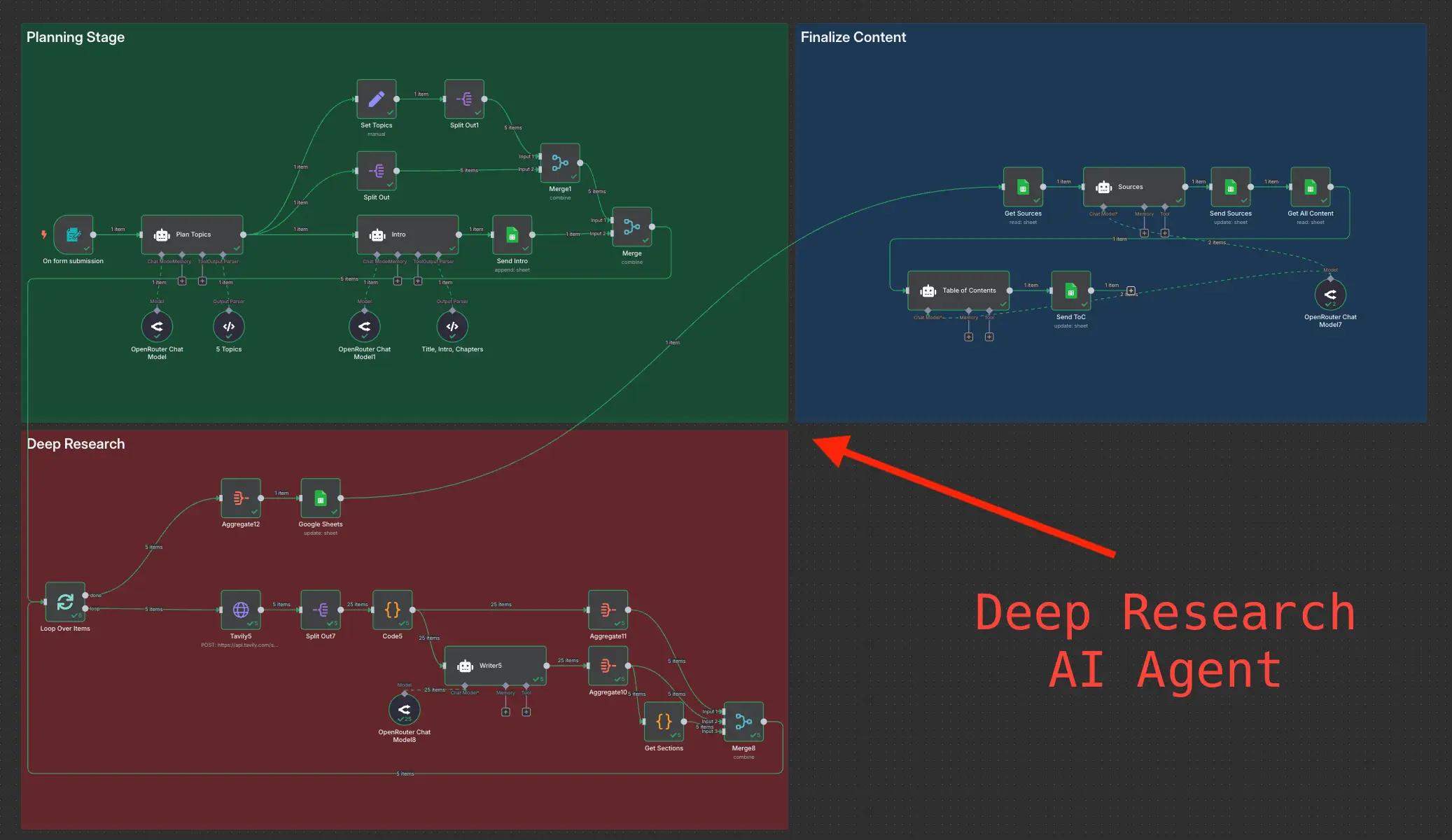
A custom Claude agent on Meta webhooks sits between Meta and your team. Every inbound WhatsApp or Instagram message hits your webhook URL. Middleware sanitizes input, attaches channel and campaign context, and calls Claude instead of waiting for a human to open the inbox.
The agent's job is narrow and revenue-linked:
- Classify intent - pre-purchase, checkout friction, order status, returns, spam, high-AOV consult.
- Pull live data - catalog, stock, policies, order lookup where APIs allow.
- Reply on-brand - tone you define, constraints you enforce, no fake promises on stock or discounts.
- Qualify and tag - budget, timeline, SKU interest, region, so CRM and retargeting stay honest.
- Hand off with context - humans get a short summary, sentiment, and suggested next step.
This is not a tree-based bot from 2019. Claude handles natural language, follow-ups, and messy questions. Tools ground answers in your data. When data is missing, the agent says so and escalates instead of guessing.
You keep humans for relationship moments, angry customers, legal edge cases, and deals large enough to justify a person. The agent owns the repetitive 70-80% that currently burns D2C lead response time and ad budget.
When should you use Claude Haiku vs Sonnet for high-AOV D2C conversations?
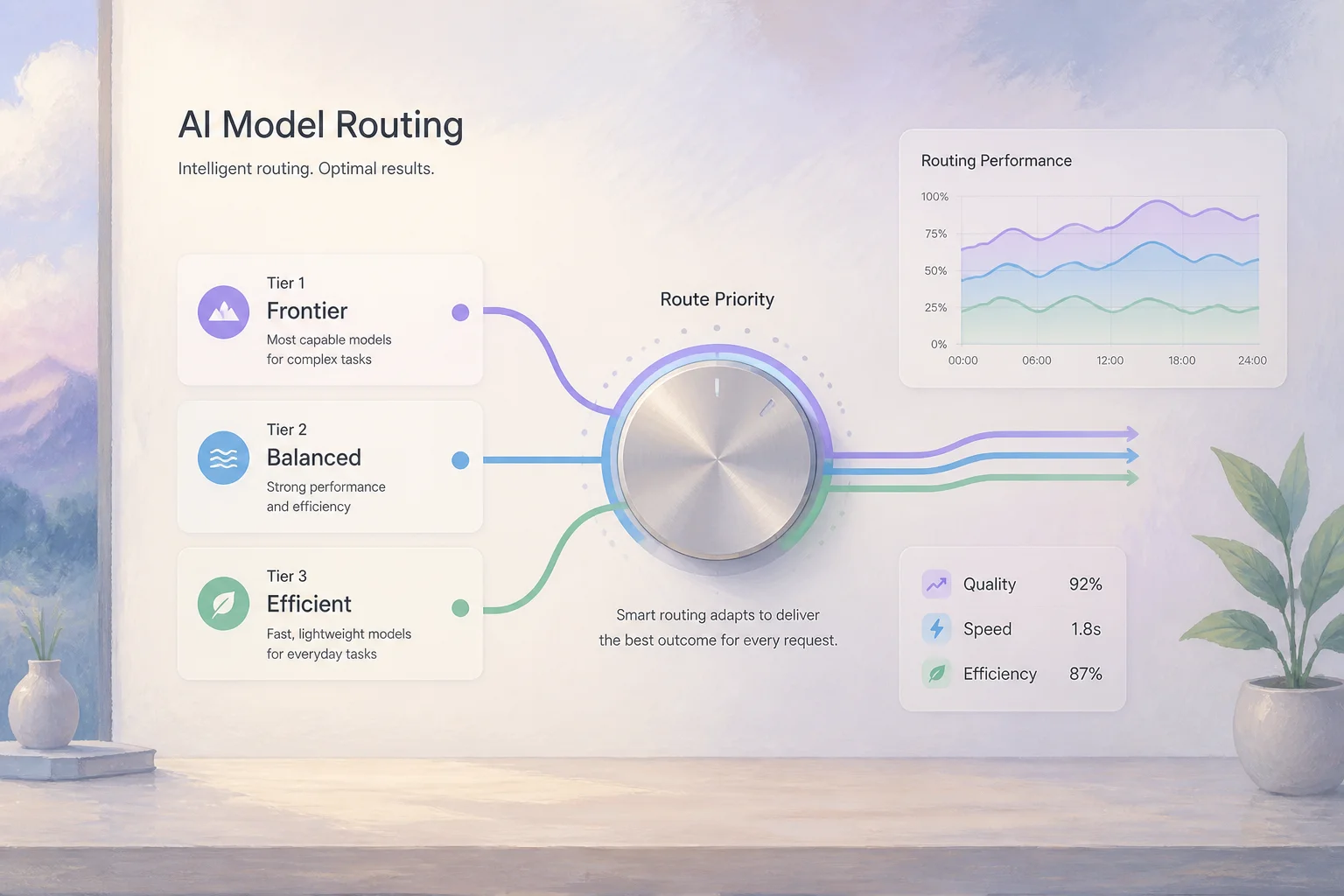
Split models on purpose. One big model for everything is slower and more expensive at DM volume.
Use Claude Haiku for:
- Every inbound webhook event (triage gate).
- High-frequency FAQs: shipping by region, returns, sizing, stock checks, promo rules you allow the agent to quote.
- Structured qualification (three to five questions before a human or booking link).
- Sentiment and urgency flags that decide escalation.
Haiku keeps median first response in seconds even when a drop sends hundreds of click to WhatsApp ads automation threads in an hour.
Use Claude Sonnet for:
- High-AOV thresholds you define (custom furniture, bundles, B2B-style inquiries).
- Multi-step consultative selling where recommendations and objection handling matter.
- Threads where Haiku detected frustration, policy ambiguity, or missing catalog coverage.
Escalate to humans when:
- Refunds, chargebacks, legal threats, or influencer complaints appear.
- The buyer asks for a person explicitly.
- Sonnet marks low confidence or policy conflict.
Route by rules your ops team agrees on, not by model ego. Document thresholds in a short playbook so performance marketing and CX do not fight over the same inbox.
How does the webhook-to-Haiku-to-Sonnet message flow work for D2C sales?
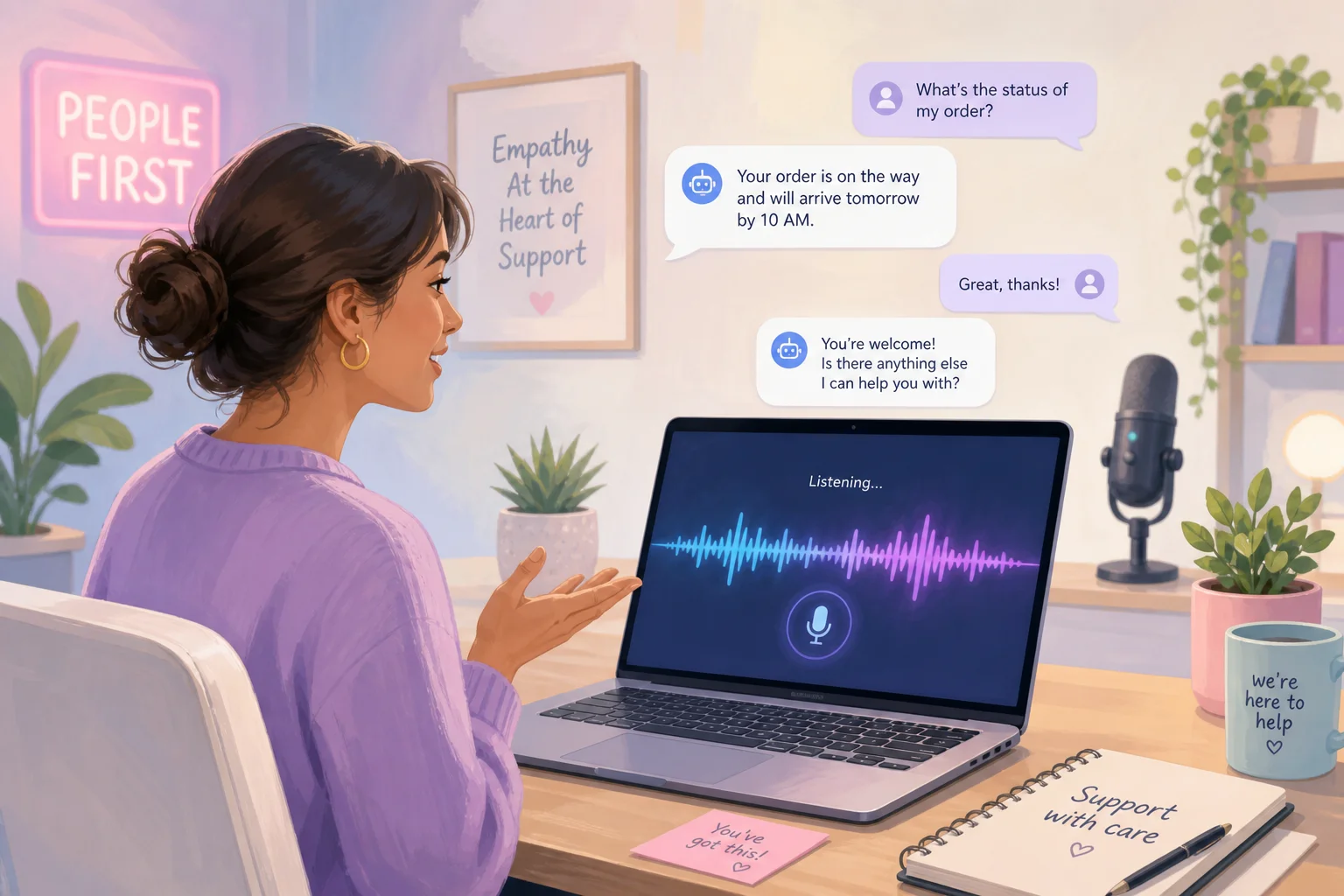
Walk through a Meta click to Instagram DM ad click with the agent live:
- User sends the pre-filled message from the ad.
- Meta posts a JSON payload to your webhook (sender id, text, timestamp, conversation metadata).
- Middleware validates the signature, normalizes text, attaches campaign id if available.
- Haiku classifies intent and decides: resolve, call tools, escalate to Sonnet, or flag human.
- For "Is the linen set in sage still available?" Haiku calls catalog tools, checks inventory rules you exposed, replies with size and restock honesty, and offers a checkout link if you allow it.
- For "I am outfitting a vacation rental with six bedrooms" Haiku passes context to Sonnet, which runs a deeper consult, asks budget and timeline questions, and proposes bundles.
- If the buyer is ready for a call or custom quote, Sonnet creates a CRM note, tags the thread, notifies Slack or your Meta inbox assignee, and pauses automation until a human joins.
All of this stays inside Meta's messaging window so replies stay deliverable and priced correctly. The buyer experiences one coherent thread, not a bot maze that dumps them to email.
What product catalog and qualification tools does the Claude agent need?
An agent that only parrots marketing copy will not fix ROAS. Wire tools the model can call:
- Product catalog - names, variants, price, tags, images, stock flags, forbidden claims.
- Policies - shipping SLAs by country, returns, warranties, discount rules the agent may cite.
- Order lookup - "Where is my order?" without opening Shopify for every ping.
- CRM or spreadsheet write - qualified leads, tags, UTM or campaign id for attribution.
- Booking or checkout links - Calendly, Stripe payment link, or cart deep link when qualified.
Start with flagship SKUs and top ten pre-purchase questions if the full catalog is messy. Expand coverage as data cleans up. Claude should fail gracefully: "I do not have live stock on that variant; I am looping in the team" beats inventing inventory.
Qualification for high-AOV D2C might capture budget band, delivery date, use case, and decision role. Push structured fields to the same CRM you use for form leads so reporting stays one funnel, not two silos.
How do you roll out click to WhatsApp ads automation without hurting brand voice?
Phase it. Do not flip every DM to full auto-send on day one.
Phase 1 - Measure. Pull thirty days of ad-driven DMs. Chart arrival time vs your staffed hours. Tag intents manually or with Haiku in shadow mode (classify only, no customer send). You will usually find most ad traffic is pre-purchase and repetitive, with a small slice that needs humans from message one.
Phase 2 - One channel. WhatsApp or Instagram, not both. Scope to pre-purchase and shipping questions only. Humans can jump in anytime.
Phase 3 - Tools. Connect catalog and policies. Add order lookup if WISMO volume is high.
Phase 4 - Qualification and handoff. Define high-AOV rules, Sonnet triggers, Slack or inbox notifications, pause-automation flags.
Phase 5 - Second channel. Reuse intent taxonomy and tools; adjust tone (Instagram slightly more casual, WhatsApp more transactional).
Brand voice comes from system prompts, few-shot examples of good replies, and hard bans ("never promise same-day delivery outside US"). Review a random sample of threads weekly for the first month. Tune prompts when agents keep editing the same mistake.
For webhook orchestration without a large engineering team, n8n or Make between Meta, Claude, and Shopify or HubSpot is a common pattern. Same glue mindset as Meta leads CRM automation, but conversation-native instead of form-native.
How do you measure D2C lead response time and conversation-to-purchase?
Track metrics that tie chat speed to revenue, not vanity reply rates:
- Median time-to-first-response - should fall to seconds, 24/7, after the agent is live.
- Conversation completion rate - threads that reach a clear outcome (answer, link click, qualified handoff, purchase) vs dying after one message.
- Conversation-to-purchase rate - share of ad-started threads that buy within 24-72 hours, pre vs post agent.
- AOV on Sonnet or human-escalated threads - consultative paths should lift basket size when recommendations are grounded.
- Human minutes per thread - should drop on FAQ-heavy traffic while complex thread time stays flat or rises (that is good).
Attribute by campaign and creative so you know which click to WhatsApp ads automation sets need faster ops vs better offers. Compare DM ROAS to landing-page campaigns with the same spend level so leadership sees conversation funnels as first-class, not experimental.
Improving response time also protects WhatsApp quality tiers where engagement and relevance affect what you can send and what you pay.
When should you book a 45-minute roadmap call instead of more DIY tools?
Reading about agents is cheap. Sequencing Claude on Meta webhooks against your catalog mess, CRM gaps, and existing lead follow-up automation is not.
Book help when:
- You turned on Meta click to Instagram DM or WhatsApp ads but nobody owns webhook architecture.
- DIY FAQ bots failed and stakeholders blame "AI" instead of data and routing.
- Performance, CX, and engineering each want a different tool with no ranked backlog.
A 45-minute roadmap session is a paid working block, not a discovery pitch. You leave with phased build order: which intents to automate first, Haiku vs Sonnet boundaries, human handoff rules, and what to wire before the next ad scale-up.
Reserve my roadmap call when tool shopping stalls or the inbox keeps eating ad spend. Bring approximate DM volume, channels live today, AOV bands, and your top ten inbound questions from the last month.
Frequently asked questions
Quick answers on the topics covered in this article.
Running Meta ads that open WhatsApp with a pre-filled message, then using webhooks plus an AI agent to classify intent, answer from catalog and policy data, qualify leads, and hand off to humans inside seconds instead of hours.
Same webhook pattern and Claude stack; Instagram threads skew more discovery and casual tone, while WhatsApp often carries transactional order and shipping questions. Start one channel, then reuse intent models on the other.
Aim for under ten seconds to first substantive reply via automation, with humans joining high-AOV or sensitive threads within a few minutes when escalated. Hours-long delays routinely kill conversation-to-purchase rates.
Ads run 24/7; buyers message when they are ready to buy. After-hours silence trains the algorithm on poor engagement and loses shoppers who expected messaging-speed replies, not email-speed queues.
You control prompts, tools (catalog, orders, CRM), model routing (Haiku vs Sonnet), and escalation rules. Generic bots rarely integrate live inventory or high-AOV qualification the way a custom agent can.
Escalate on high cart value, multi-SKU consults, policy edge cases, negative sentiment, or low tool confidence. Haiku should own triage and FAQs; Sonnet owns consultative selling and richer summaries for humans.
Serious automation at scale typically uses the Business API or an approved provider so webhooks, templates, and quality tiers work reliably. Small tests can start narrower, but production D2C volume usually needs API-grade plumbing.
That playbook covers team ops, routing, and workflows across message channels. This post focuses on D2C brands, Meta webhooks, and a custom Claude agent for speed, catalog tools, and revenue-linked handoff.
Yes. n8n or Make can receive webhooks, call Claude, read Shopify or HubSpot, and write tags or notes back. The architecture matters more than whether middleware is code or visual workflows.
DM volume by channel, median first-response time today, top pre-purchase questions, AOV bands for human vs automated handling, and which systems hold catalog, orders, and CRM data. You will leave with a ranked build order, not a tool shopping list.
Share this article
Related workflows
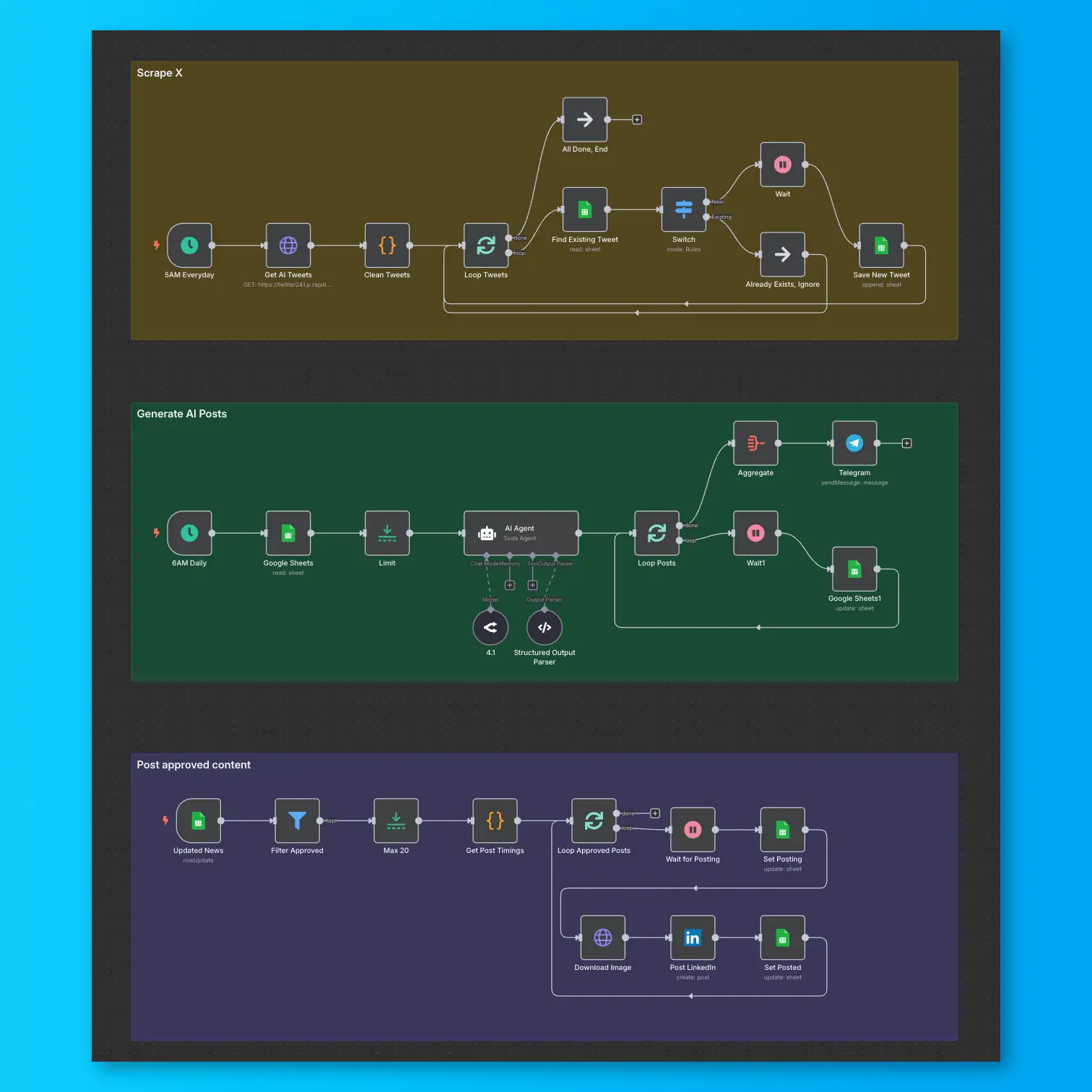
LinkedIn Automation From X Posts
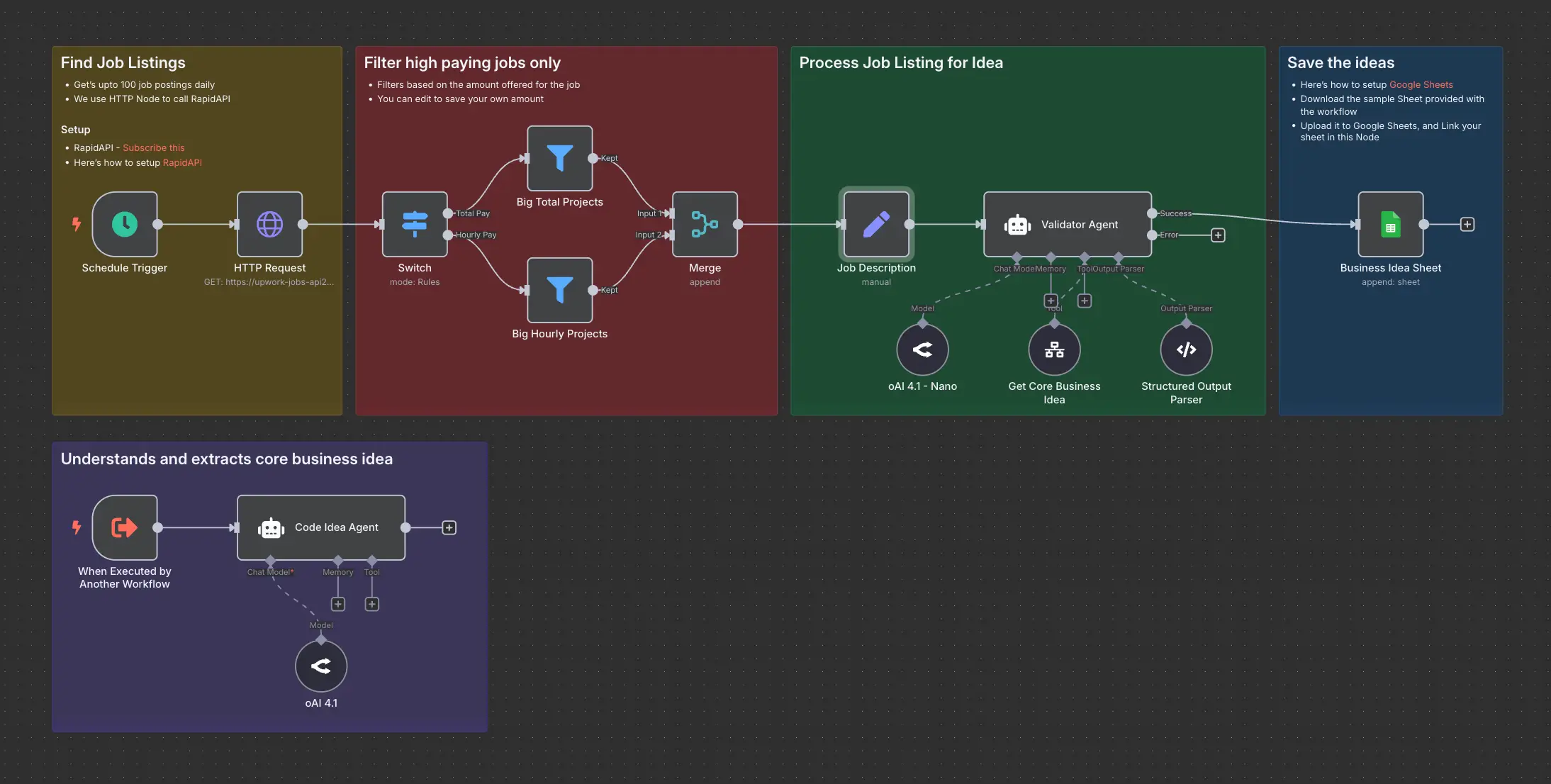
Daily Validated Business Ideas using n8n and Upwork