Why do after-hours leads sit untouched in your CRM until Monday?


Table of Contents
- Introduction
- Why do after-hours leads sit untouched in your CRM until Monday?
- How does after hours lead response automation differ from a sales chatbot?
- What stack do you need for AI lead qualification small business teams?
- How does webhook to Claude classify and draft work step by step?
- How do you set up human approval before any reply goes out?
- What daily and weekly checklists keep after-hours automation reliable?
- Which metrics prove your Claude qualification workflow is working?
- What guardrails stop after-hours automation from hurting trust?
- When does DIY n8n break down for multi-channel lead qualification?
- When should you book a roadmap call for after-hours lead automation?
- Frequently Asked Questions (FAQs)
Introduction
A prospect submits a demo request at 8:17 p.m. on a Friday. They compared three vendors, have budget this quarter, and want to move. Your form posts into HubSpot or Pipedrive. Then nothing happens until someone opens the dashboard Monday morning.
By then they already booked with a competitor who replied within the hour.
That is the quiet leak in many small B2B funnels: not a lack of leads, but an after-hours gap where high-intent records sit untouched while your CRM acts like a parking lot. After hours lead response automation built around Claude closes that gap without hiring overnight staff. You qualify, route, and draft a first reply in minutes while a human approves before anything sends.
This guide covers why nights and weekends hurt conversion, how AI lead qualification small business teams should wire webhooks to Claude, where Haiku and Sonnet split volume vs nuance, and what to monitor so automation helps reps instead of creating risk.
If leads arrive but nobody follows up fast enough, read why leads go quiet after the form. If Meta leads still land by CSV, fix Meta leads CRM automation before you add qualification on top.
Why do after-hours leads sit untouched in your CRM until Monday?
Most small teams already run a reasonable demand funnel: ads to landing pages, Typeform or native forms, click-to-message on WhatsApp or Instagram, and a CRM as system of record.
During business hours someone skims new records, guesses fit, writes a reply, and updates stages. After hours the loop breaks. Submissions still flow in, but nobody scores fit, nobody judges intent, nobody routes to the right owner, and nobody sends a thoughtful first touch.
You feel it as strong top-of-funnel numbers with weaker pipeline creation, demos lost to faster vendors, and reps saying good leads go cold. The CRM is not broken. There is no qualification layer between the moment someone raises their hand and the moment a human is back at their desk.
Paid acquisition makes the pain sharper: every Friday evening form fill has a cost, and 60-hour reply delays subsidize faster competitors.
How does after hours lead response automation differ from a sales chatbot?
When people hear AI in sales they picture chatbots negotiating at midnight. Most small businesses do not need that and should not risk it.
What you need is pre-conversation qualification and routing:
- Classify each lead by fit and intent against a rubric you define.
- Draft a personalized first reply a human can skim and approve in seconds.
- Write back tier, score, and next action so nothing falls through cracks.
Claude sits between lead sources and your CRM doing repeatable thinking that would otherwise wait until Monday. Humans keep control of the rubric, send approval, and edge cases.
That is different from bolting a bot onto your site. You automate judgment and copy prep, not the sales conversation itself. For a deeper scoring and routing playbook, see AI lead scoring for small business with Claude.
What stack do you need for AI lead qualification small business teams?
You likely already own the pieces:
- CRM - HubSpot, Pipedrive, Zoho, or similar as system of record.
- Capture - website forms, Typeform, Meta lead ads, click-to-message.
- Channels - email, WhatsApp, Messenger, Instagram DMs.
- Orchestration - n8n, Make, Zapier, or CRM-native workflows.
The missing layer is intelligence between new lead appears and rep replies. Your existing tools trigger a workflow, Claude classifies and drafts, results feed CRM fields and Slack or email alerts.
Start with one channel that already hurts - usually your highest-cost form or ad - before you wire every inbox at once.
How does webhook to Claude classify and draft work step by step?
Here is a practical end-to-end flow using n8n or similar with Claude at the center.
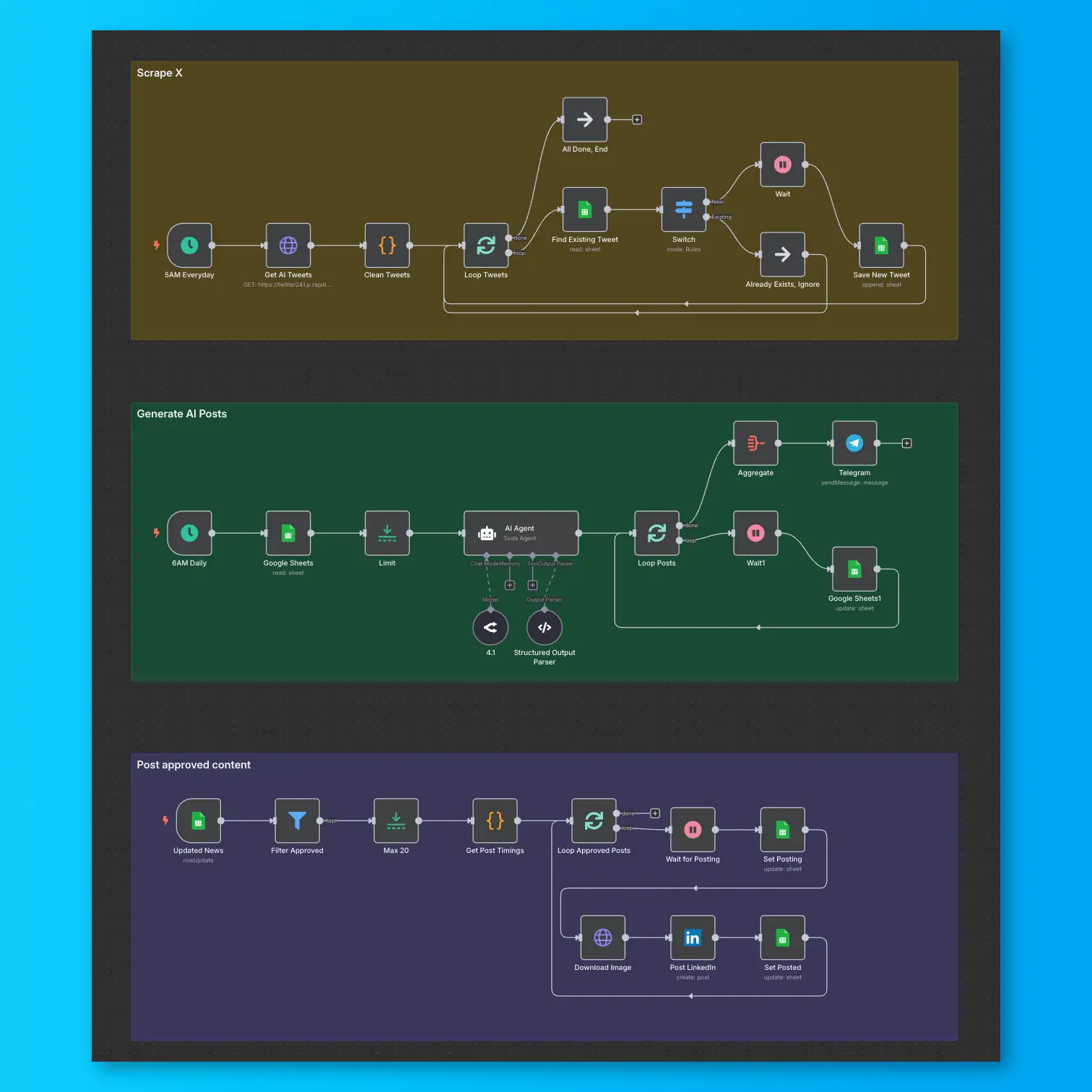
Step 1 - Webhook on every source. Website forms, CRM new-contact triggers, Meta lead or message events, and shared inbox forwards should hit your workflow engine in real time. No manual CRM refresh to discover leads.
Step 2 - Normalize the payload. Assemble contact info, company hints, channel, free-text answers, and UTM or campaign data into one consistent JSON shape every time.
Step 3 - Claude Haiku first pass. Send your ICP definition, tier rules (A/B/C fit, Hot/Warm/Cold intent), and the normalized payload. Instruct Haiku to return structured JSON: fit_tier, intent_level, reasoning_summary, recommended_next_action, data_quality_flags, and draft_reply (not sent yet).
Step 4 - Escalate borderline or high-value cases to Sonnet. When fit is A, intent is Hot, the message is long, the domain is strategic, or Haiku scores in a gray zone, pass context to Sonnet for refined classification and a sharper draft.
Step 5 - CRM write-back. Map AI fields to custom properties: AI Fit Tier, AI Intent, AI Draft Reply, AI Next Action, Last Scored At. Create tasks, deals, or Slack alerts by tier.
Step 6 - Approval queue. Route draft replies to on-call rep, founder, or shared Slack channel. Approve, edit, or reject. Only then does the message send.
Example Haiku output shape:
{
  "fit_tier": "A",
  "intent_level": "Hot",
  "reasoning_summary": "Multi-location operator, asks pricing for 10+ staff, timeline this year.",
  "recommended_next_action": "book_discovery_call",
  "draft_reply": "Thanks for reaching out...",
  "data_quality_flags": []
}
How do you normalize lead data before Claude scores it?
Different sources ship different shapes. Before any model call, flatten into one schema: name, email, phone, company, website, channel, message body, form answers, campaign or ad set, and timestamp. Strip HTML, truncate absurdly long pastes, and flag missing phone or suspicious domains.
Consistent input makes prompts stable and scoring comparable across Meta, website, and DM leads.
How should Haiku vs Sonnet split volume and high-AOV leads?
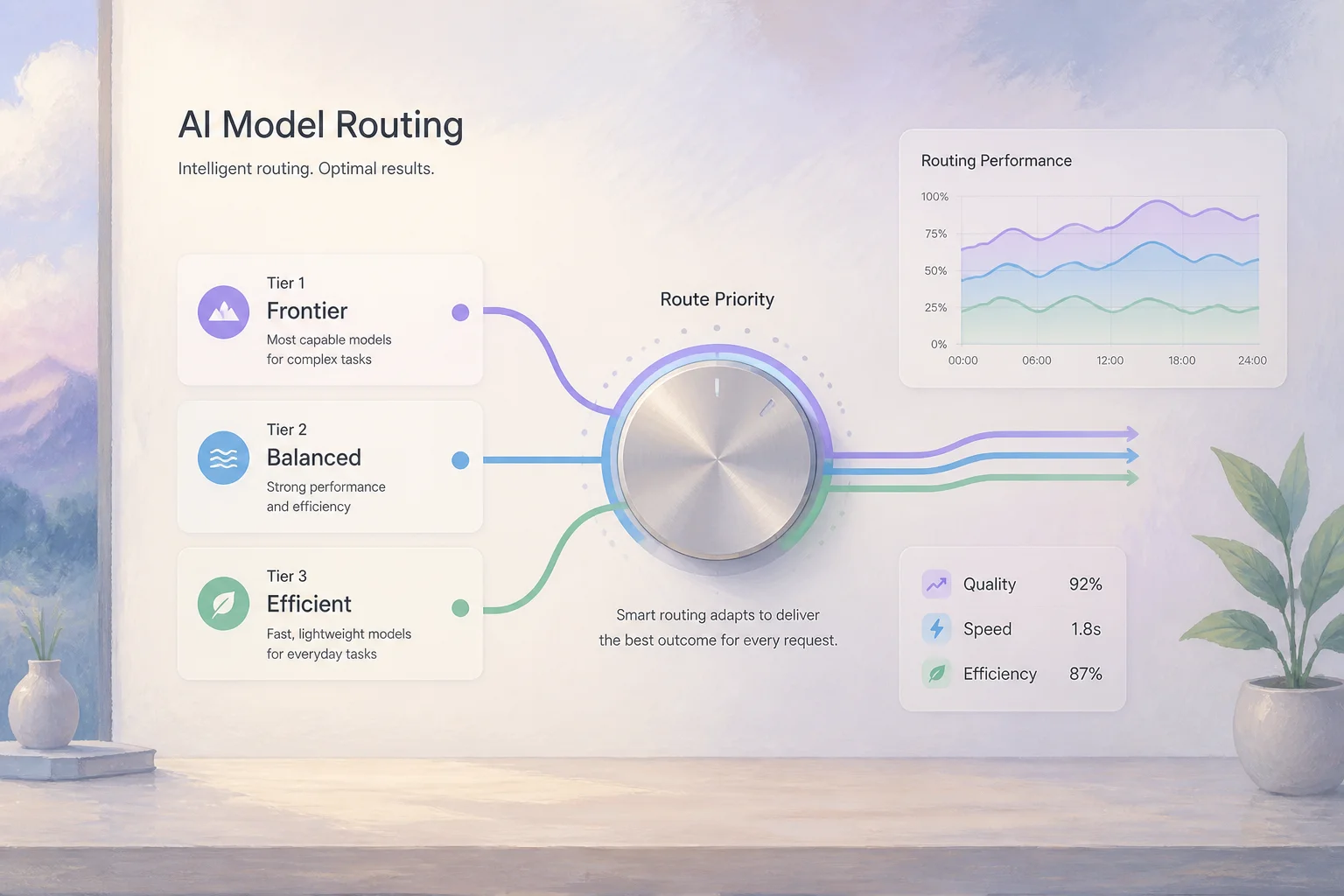
Haiku runs on every inbound lead: fast, inexpensive, fixed rubric, JSON out. That is your overnight analyst scoring hundreds of records without burning budget.
Sonnet handles cases where nuance changes money: enterprise domains, regulated industries, long applications, multi-stakeholder buying signals, or Haiku scores between your warm and hot thresholds.
Default path: Haiku on all, Sonnet on escalation rules you document once. High average order value deals deserve the better model on first touch even after hours.
How do you set up human approval before any reply goes out?
The guardrail that keeps this safe: Claude drafts, humans send.
Your workflow should never auto-send substantive replies to net-new leads without approval. Instead:
- Post summary plus draft to Slack with Approve / Edit / Reject buttons (or CRM task with draft in a note field).
- On approve, send via the right channel API and log
AI Assisted First Reply = trueon the record. - On reject, route to a human queue with no send.
Start strict on Tier C too. Pair approval with routing: Hot plus Fit A to on-call AE or founder; Warm to Monday nurture; Cold to a skimmed resource reply.
What daily and weekly checklists keep after-hours automation reliable?
Automation without ops discipline fails silently. Treat after-hours qualification like a small product with owners.
Daily (5-10 minutes):
- Check approval queue for stuck drafts older than 30 minutes on Hot leads.
- Scan error channel for failed webhooks or Claude API timeouts.
- Spot-check 2-3 AI classifications against raw form text.
- Confirm median time-to-first-touch for after-hours submissions vs business hours.
Weekly (30 minutes):
- Review override rate: how often reps change tier or rewrite drafts before send.
- Update rubric or prompt examples from override reasons.
- Audit CRM fields: are AI properties filling on every channel?
- Compare after-hours lead to meeting rate against prior month baseline.
Assign one owner for workflow health (RevOps, founder, or ops lead). If nobody owns the checklist, Friday night leads drift back to Monday triage.
Which metrics prove your Claude qualification workflow is working?
Track a small set that ties to revenue, not vanity AI stats:
| Metric | What good looks like |
|---|---|
| Median time-to-first-touch (after-hours) | Drops from hours/days to under 15-30 minutes for Hot tier |
| After-hours response rate | Majority of off-hours Hot leads get human-approved reply same evening |
| Qualified pipeline from off-hours leads | Meetings booked from leads that arrived outside 9-5 |
| Rep override rate | Starts higher, trends down as rubric improves; never zero |
| False Hot rate | Hot tier that reps downgrade - should fall below 15% after tuning |
Segment by channel and tier so you see whether Sonnet escalations convert better than Haiku-only paths.
What guardrails stop after-hours automation from hurting trust?
No unsupervised auto-send on net-new leads is rule one.
PII: minimize prompt logging; mask sensitive fields in workflow history. In regulated verticals, narrow what AI may say.
When not to automate: support tickets, legal threats, or active enterprise deals with new stakeholders. Instruct Claude to output route_to_support or human_only.
Prompt tuning: sample drafts weekly and update rubric examples like playbook revisions.
When does DIY n8n break down for multi-channel lead qualification?
DIY works until:
- Five plus sources each need different branching and only one person can edit the workflow.
- Failures are silent (webhook succeeded but CRM field mapping broke).
- Haiku and Sonnet prompts diverge per channel with no shared rubric file.
- Approval queues multiply per product line with no shared SLA.
That is usually sequencing, not a reason to abandon n8n. See what to automate first for revenue. For orchestration choice, CRM-native works for simple branches; n8n or Make fits multi-webhook Claude calls; pick what someone will fix at 9 p.m. Sunday. Compare tools in n8n vs Make vs Zapier.
When should you book a roadmap call for after-hours lead automation?
The goal is simple: a Friday night demo request gets scored, routed, and answered before your competitor's Monday inbox sweep.
Book a focused session when:
- Leads arrive from three or more channels and every change to scoring or approval feels risky.
- You added Claude or n8n pieces that conflict with existing follow-up or CRM sync.
- You need clear Haiku vs Sonnet boundaries and approval rules documented for the team.
- After-hours response improved on one channel but others still park leads until Monday.
A 45-minute paid AI strategy call at /roadmap-call is a working session, not a pitch. You leave with ranked automations, guardrails for draft-and-approve flows, channel sequencing, and a practical path to ship after-hours qualification in about a week.
Reserve my roadmap call when channels and guardrails multiply and you want after-hours leads qualified before Monday instead of discovered on Monday.
Frequently asked questions
Quick answers on the topics covered in this article.
A webhook-driven workflow that scores and routes inbound leads outside business hours, drafts a first reply with Claude, and requires human approval before send. It shortens time-to-first-touch without staffing overnight SDRs.
Qualification classifies fit and intent, updates CRM fields, and prepares a draft for human send. A chatbot tries to hold full conversations autonomously. Most small teams need judgment and routing first, not unsupervised dialogue.
Yes. Trigger on new contact or deal creation, pass normalized fields and free text to Claude via HTTP, write tier and draft back to custom properties, and alert an on-call rep in Slack or email for approval.
Run Haiku on every lead for speed and cost. Escalate to Sonnet for Hot tier, high-AOV domains, long messages, borderline scores, or regulated industries where nuance changes the recommended action.
Yes, for net-new leads. Claude drafts; a human approves, edits, or rejects. That guardrail prevents off-brand or risky messages while still cutting response time from days to minutes.
At minimum: AI Fit Tier, AI Intent Level, AI Draft Reply, AI Recommended Action, AI Assisted First Reply, and Last Scored At. These make urgency visible in list views Monday morning.
Target under 30 minutes for Hot tier: classification, draft, human approval, and send the same evening. Measure median time-to-first-touch for submissions between 6 p.m. and 8 a.m.
Yes. Meta webhooks into n8n, normalize message and profile data, call Claude, update CRM, and route drafts to approval. Fix Meta to CRM intake before layering scoring.
After-hours median time-to-first-touch, response rate for Hot tier, meetings booked from off-hours leads, rep override rate, and false Hot rate. Pipeline from weekend submissions matters more than raw form volume.
When channels multiply, failures are silent, only one person can maintain workflows, or scoring conflicts with follow-up automations. Help is usually architecture and sequencing, not replacing your CRM.
Share this article
Related workflows